
Reviewed · OLD DUBAI AND SOUKS
Authentic Emirati Cultural Meal and Talk in Old Dubai
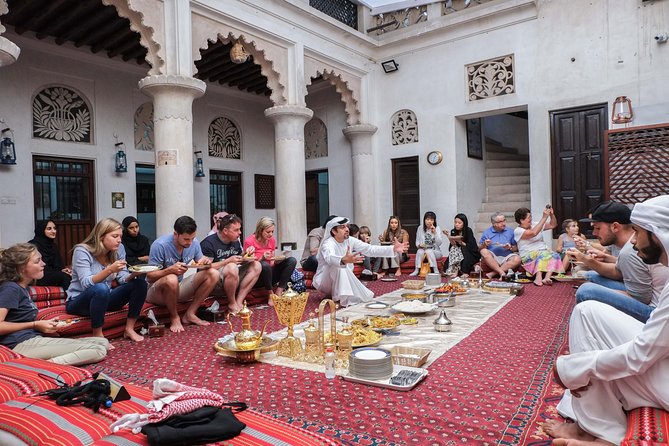
Dubai’s glass towers tell only part of the story. This 90-minute meal in a wind-tower courtyard shifts your attention to Emirati customs, family life, food, dress, Islam, and the older neighborhoods along Dubai Creek. The setting at the Sheikh Mohammed Centre for Cultural Understanding in Al Fahidi gives the conversation a useful sense of place.
I like the relaxed question-and-answer format, and I like that Arabic coffee, dates, tea, water, and a full local meal are included. The main consideration is food expectation: most of the experience is praised for its meal, but one account found the dishes less distinctly Emirati than expected. Come for the conversation as much as the plate.
Key points to know before you book
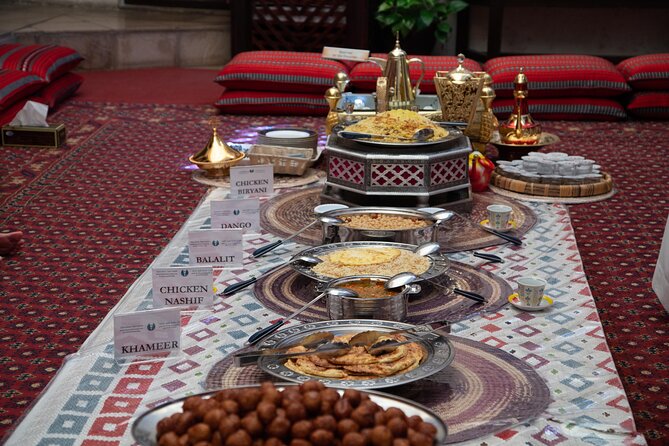
- The meal takes place in Al Fahidi: You eat inside a traditional house with wind towers, in one of old Dubai’s most atmospheric districts.
- Questions shape the talk: Ask about Muslim customs, Emirati dress, greetings, family life, food, or daily routines instead of sitting through a fixed lecture.
- The group is small: A maximum of nine people gives you a fair chance to join the discussion.
- Arabic coffee and dates begin the visit: Tea, water, and the meal are also included.
- Ligamat brings a sweet finish: These small fried doughnuts are served with date syrup.
- You can choose the time of day: Breakfast, lunch, and dinner options are available, depending on the chosen departure.
Why this meal gives old Dubai more meaning
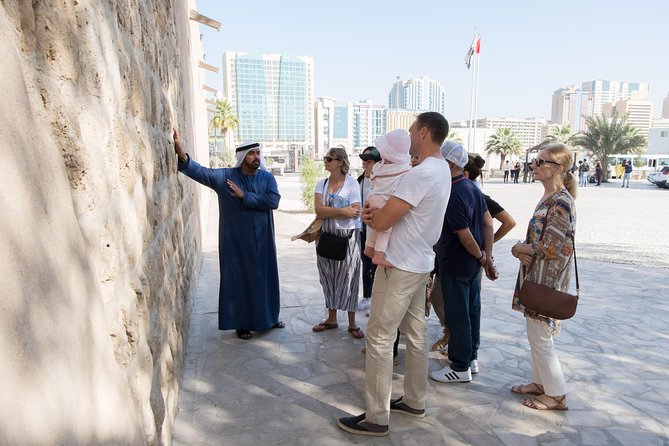
Al Fahidi, also known as Al Bastakiya, is a fitting place for a cultural talk. Its traditional houses and wind towers help you picture Dubai before the modern skyline took over the horizon. The centre uses that older setting for a friendly exchange rather than a formal museum visit.
That difference matters. You are not simply looking at old architecture or reading labels about Emirati customs. You sit down with a local presenter and ask about the things that can be hard to understand from the outside: why certain greetings matter, how religion shapes daily habits, what traditional clothing communicates, and how food fits into family life.
The discussion also covers Arabic culture, Islam and its effect on local customs, cultural values, and social sensitivities. You can ask a direct question, then hear the explanation behind the practice instead of guessing from what you see around Dubai.
I would book this early in a Dubai visit. It can give you useful context for the rest of your stay, especially if you plan to visit mosques, souks, museums, or residential areas. One useful approach is to arrive with several questions ready. Since the conversation is shaped by the group, an unprepared visitor may get less from it than someone who has already wondered about local dress, greetings, or the role of coffee in Emirati hospitality.
More Emirati Culture Experiences in Dubai
- Dubai: Old Town, Street Food, Creek, Souks, & Emirati House
★ 4.9 · 1,496 reviews - Dubai: Cultural Lunch at The Sheikh Mohammed Center
★ 4.6 · 138 reviews - Dubai: Emirati Cultural Breakfast Experience
★ 4.7 · 42 reviews
Entering the Sheikh Mohammed Centre in Al Fahidi
The activity starts and ends at the Sheikh Mohammed Bin Rashid Al Maktoum Centre for Cultural and Social Understanding on Al Mussallah Road in Al Fahidi. Transportation is not included, so you need to make your own way there and allow enough time to find the centre within the old neighborhood.
Once inside, the setting does much of the work. The meal is served in a traditional wind-tower house, with an open courtyard that feels far removed from Dubai’s shopping malls and high-rise hotels. Wind towers were designed to catch and direct air, and here they also provide a visual reminder of older Gulf architecture.
This is not a large group dining hall. The maximum group size is nine, which is a useful limit for a conversation-led activity. You can ask follow-up questions, hear other people’s interests, and take part without having to compete with a crowd.
The tone is intended to be informal, educational, and entertaining. That makes it a good match for visitors who prefer conversation to a long scripted presentation. It is less suitable if you want a tightly timed sightseeing tour with several stops.
Coffee, dates, and the first lesson in hospitality
The visit begins with Arabic coffee and dates. Tea and water are also provided. This opening is more than a snack, since the serving of coffee and dates is part of the hospitality being explained during the session.
You may learn how greetings and welcoming customs connect with wider social values. The centre also discusses important Arabic expressions, cultural sensitivities, and the small habits that can affect how you interact with people in the UAE.
The coffee is a useful introduction because it lets the cultural explanation begin naturally. You are not asked to absorb a list of rules before the meal. Instead, the conversation grows from something in front of you and from questions in the room.
I would pay attention to the practical details here. If you are unsure how to respond to a greeting, how to address someone, or why a particular custom matters, this is the right setting to ask. The presenters are there to explain rather than to make you feel awkward for not knowing.
What to expect from the Emirati meal
After the coffee and dates, you are served a selection of local specialties. The meal is described as an authentic Emirati feast, and the sweet course includes ligamat, small doughnuts covered with date syrup.
The food is one reason this works better than a talk in a classroom. You can discuss ingredients, eating customs, family meals, and the role of hospitality while sharing the same table. Some visitors found the food generous and delicious, while one person felt it did not seem as specifically Emirati as expected. That is a fair warning if you are booking mainly as a food tour.
I would treat the meal as part of the cultural setting, not as a carefully structured tasting menu. The available information does not promise a full list of dishes or a chef-led explanation of each recipe. You are paying for the combination of food, setting, and access to a local conversation.
The talk also includes an explanation of how food may be eaten, including the use of hands. That can be valuable if you have never shared a traditional meal in the region. You can ask about the proper way to approach the food rather than relying on assumptions.
The meal is offered at breakfast, lunch, or dinner, so you can fit it into different schedules. A lunch booking could work well before an afternoon walk through Al Fahidi, while a dinner booking gives you a calm cultural stop after a day of sightseeing. The exact dishes may vary by meal time or availability, so do not book expecting a guaranteed menu beyond the listed local specialties and ligamat.
Same area, a completely different kind of day:
- Dubai: Burj Khalifa Levels 124 & 125 Entry Ticket + Options
★ 4.3 · 90,891 reviews - Dubai: Burj Khalifa Sky Level 148, 124, & 125 Entry Ticket
★ 4.6 · 23,827 reviews - Dubai: The View At The Palm Observatory Entry Ticket
★ 4.6 · 22,529 reviews - Dubai: Jetski to Burj Arab-Atlantis w Pic, Video & Icecream
★ 4.9 · 22,260 reviews
A question-and-answer session with room for real curiosity
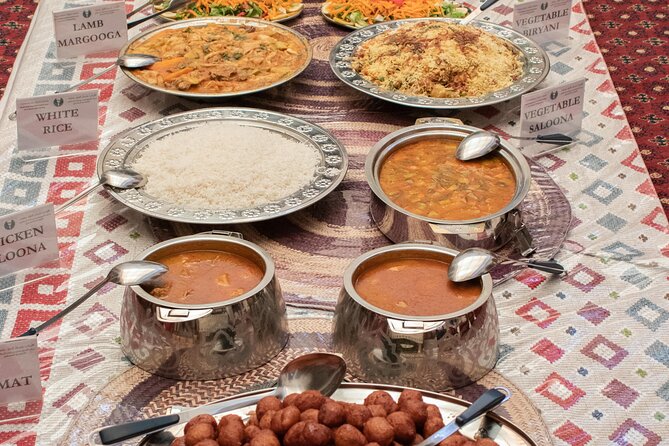
The strongest part of this experience is the open discussion. The presenter leads the conversation, but the questions from the group determine much of the content. That gives you room to ask about subjects that standard sightseeing tours often skip.
Useful topics include:
- Emirati clothing and why people choose particular garments
- Arabic greetings and expressions
- Islam and its effect on local culture
- Family and community life
- Food traditions and table manners
- Social values and cultural sensitivities
- Everyday life in the United Arab Emirates
- The contrast between Dubai’s past and present
The presenters are described as local cultural experts, and the session has included both men and women in traditional clothing. A guide named Abdullah was specifically thanked for answering varied questions, though the available details do not guarantee that he will lead every departure.
You can ask about religion in a respectful way, and the centre is designed for that kind of exchange. Questions are not limited to a narrow script. The best conversations often come from asking why a custom exists or how it works in daily life, rather than simply asking what a garment or ritual is called.
I would not expect a formal lecture with every topic covered in order. One useful point raised about the format is that a host might not give a quick overview at the beginning, since the group guides the discussion. If you want a broad introduction, ask for one early. After that, use the open format to follow the topics that interest you most.
What makes the small group useful
A maximum of nine participants is a major practical advantage. In a larger cultural presentation, you might hear general information but have little chance to ask something personal or specific. Here, you can take part in the exchange and hear questions from people with different backgrounds.
The small setting also helps with sensitive subjects. A question about faith, clothing, family roles, or social customs can receive a fuller answer when the presenter has time to explain the background. The goal is not to turn every topic into a debate. It is to make everyday Emirati life easier to understand.
Families can also make good use of this format. Children must be accompanied by an adult, but most people can participate, and the session can give younger visitors a clearer picture of the country beyond theme parks and shopping centres.
The one limitation is that the quality of the discussion depends partly on the questions asked. If everyone stays quiet, the session may feel less lively. Prepare a short list before arriving, and do not be shy about asking a simple question.
The setting is worth extra time in Al Fahidi
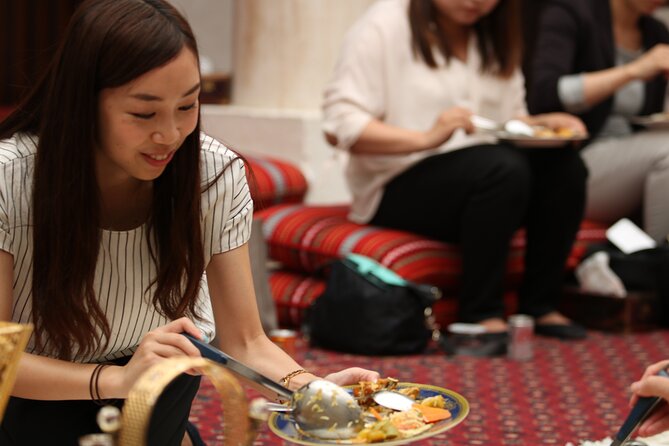
The activity ends back at the same meeting point, with no transportation provided to another attraction. That may sound limiting, but it lets you plan the rest of your time in old Dubai rather than being moved along a fixed route.
Set aside time to walk through Al Fahidi after the meal. The area’s traditional buildings and narrow lanes make a good contrast with modern Dubai, and the cultural talk can help you notice details you might otherwise pass without understanding.
This is also a practical first stop before exploring the broader old-city area. The activity itself lasts about an hour and a half, so you can add a walk before or after without giving up a full day. The centre is the main focus, not a long sightseeing circuit.
Is $36.28 good value?
At $36.28 per person, the price is fair if you want three things together: a meal, a traditional setting, and direct access to a local cultural presenter. Arabic coffee, tea, dates, water, and the meal are included, so you are not paying an admission fee and then buying lunch separately.
The value is less convincing if you are looking only for a large meal or a food-focused tour. The dishes are part of the experience, but the main benefit is the chance to ask questions and connect the food with Emirati customs.
I see the price as especially reasonable for a first-time visit to Dubai. A little local context can make later sightseeing more rewarding, and the group size gives you a more personal exchange than a large bus tour.
The activity is also popular enough that it is often booked well ahead, with an average booking lead time of about 36 days. If you have fixed dates, reserve before arriving rather than assuming a convenient place will remain open.
Practical details before you commit
Confirmation is sent within 48 hours of booking, subject to availability. You receive a mobile ticket, and the activity starts and finishes at the Sheikh Mohammed Centre in Al Fahidi.
Free cancellation is available if you cancel at least 24 hours before the local start time. Changes or cancellations made inside that window are not accepted for a refund. The experience also requires a minimum number of participants, so if it is cancelled for that reason, you are offered another date or experience, or a full refund.
Service animals are allowed, and most people can take part. Children need to be accompanied by an adult. Since transportation is not included, plan your route to Al Fahidi separately.
Who should book this experience?
I would recommend it to first-time visitors who want to understand Dubai beyond its modern architecture. It also suits anyone curious about Islam, Emirati clothing, social customs, or local food but unsure how to ask about those subjects in an ordinary sightseeing setting.
Families, couples, and solo visitors can all fit the format. The small group is helpful for anyone who prefers a conversation to a performance, and the 90-minute length is easy to fit into a busy itinerary.
I would think twice if you want a detailed culinary tour with a guaranteed menu, a long list of historic buildings, or a tightly scripted presentation. The food may not match every person’s idea of a traditional Emirati feast, and the open format rewards active participation.
Should you book the Emirati cultural meal?
Book it if you want an honest, informal introduction to Emirati life, with food serving as the starting point for a wider conversation. The wind-tower courtyard, small group, Arabic coffee, local meal, and chance to ask direct questions give you more than a standard restaurant visit.
To get the most from it, schedule it early in your Dubai stay, prepare a few questions, and leave time to walk around Al Fahidi afterward. If your main goal is tasting a precise range of Emirati dishes, choose with some caution. If your goal is to understand the people and customs behind Dubai, this is a strong use of 90 minutes.
FAQ
Where does the Emirati cultural meal take place?
It takes place at the Sheikh Mohammed Bin Rashid Al Maktoum Centre for Cultural and Social Understanding in the Al Fahidi neighborhood of Dubai.
How long does the experience last?
The activity lasts approximately 1 hour and 30 minutes.
What is included with the meal?
The visit includes authentic Emirati cuisine, water, Arabic coffee, tea, dates, and a question-and-answer session about local culture and traditions.
Is transportation included?
No. You must arrange your own transportation to and from the meeting point.
Where does the activity end?
The activity ends back at the Sheikh Mohammed Centre for Cultural Understanding, the same place where it begins.
How many people can join?
The activity has a maximum group size of nine participants.
Can I choose breakfast, lunch, or dinner?
Yes. Breakfast, lunch, and dinner options are available.
What subjects are covered during the cultural talk?
The discussion can cover Arabic culture, Islam and its effect on local culture, cultural values and sensitivities, Arabic greetings and expressions, Emirati dress, food, and daily life.
Are children allowed?
Yes, but children must be accompanied by an adult.
What is the cancellation policy?
You can receive a full refund if you cancel at least 24 hours before the experience begins. Cancellations or changes made less than 24 hours before the start time are not accepted for a refund.
More Old Town and Souk Tours in Dubai
- Dubai: Old Town, Creek, Museums, Souks, & Street Food Tour
★ 4.8 · 10,816 reviews - Dubai: Old Town, Souks, Street Food, Guided Tour & Abra Ride
★ 4.9 · 7,170 reviews - Dubai: Frame Tickets, Creek, Souks & Blue Mosque Guided Tour
★ 4.8 · 5,980 reviews - Dubai Aladdin Tour: Souks, Creek, Old Dubai and Tastings
★ 5.0 · 3,755 reviews
Just added around Dubai
- Can am Maverick X3 Rs Turbo★ 5.0 · 35 reviews
- Miracle Garden Admission Tickets with Transfer Options★ 5.0 · 12 reviews
- Deira Creek: Dhow Cruise Dinner★ 3.5 · 15 reviews
- Private Half-Day Tour in Dubai Miracle Garden and Global Village★ 5.0 · 21 reviews
- DXB Private Half-Day Dubai City Tour: Iconic Sights & Landmarks★ 5.0 · 34 reviews
- Dubai Nighttime City Tour with Airport or Hotel Transfer.★ 5.0 · 9 reviews
- Tickets for the DXB Boat Party at Sunset in Dubai★ 5.0 · 50 reviews
- Dubai Canal Dinner Cruise with La Perle Show Tickets Combo★ 4.5 · 56 reviews
Old Dubai and Souks, compared.
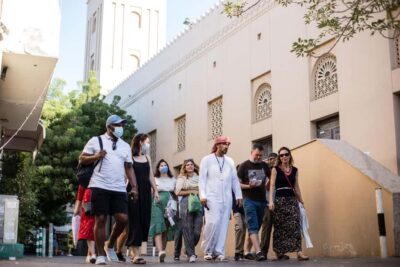
Old Town, Creek, Museums, Souks, & Street Food Tour
Our verdict on this one →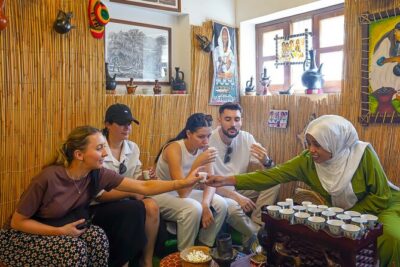
Old Town, Souks, Street Food, Guided Tour & Abra Ride
Our verdict on this one →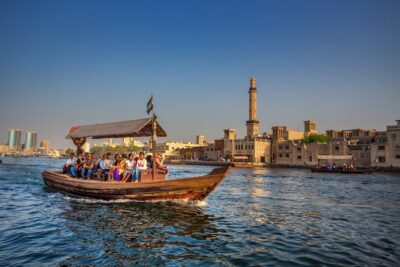
Frame Tickets, Creek, Souks & Blue Mosque Guided Tour
Our verdict on this one →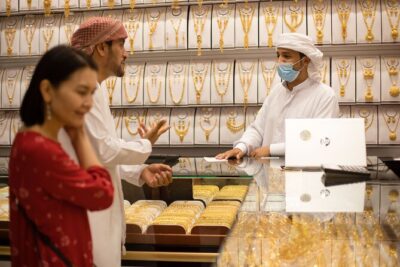
Dubai Aladdin Tour: Souks, Creek, Old Dubai and Tastings
Our verdict on this one →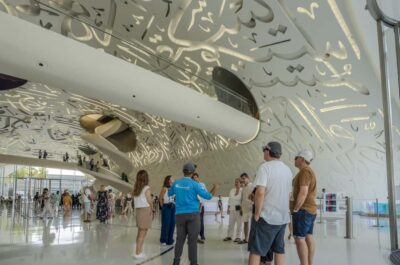
Half-Day City Tour with Blue Mosque, Creek, and Souks
Our verdict on this one →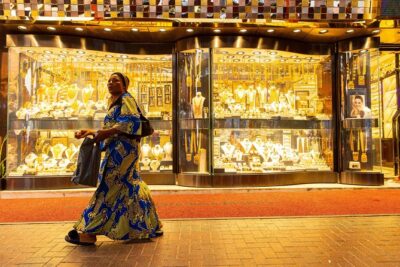
Dubai Half-Day City Tour with Visit to Dubai Gold Souk
Our verdict on this one →Old Town, Souks, Street Food, Guided Tour & Abra Ride
Our verdict on this one →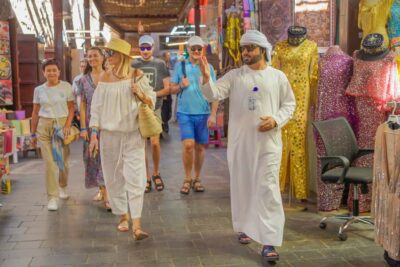
Old Town, Street Food, Creek, Souks, & Emirati House
Our verdict on this one →Browse the lists this tour appears in