
Reviewed · OLD DUBAI AND SOUKS
Dubai: Old City Walking Tour with Abra Ride
Dubai’s glass towers get the attention, but the city’s older face is found around the creek. This three-hour walking tour takes you through Al Seef, Al Fahidi, old textile lanes, and the traditional markets before crossing the water by wooden abra. It is a useful way to see how Dubai grew from a desert trading town into a global city.
I like two things in particular: the local history and cultural context, which give the old neighborhoods meaning, and the abra ride, a simple ten-minute crossing that feels far more memorable than a standard sightseeing bus. Guides such as Abdullah, Shahzad, Mazher, and Muhammad have been praised for answering questions and explaining daily life.
The main drawback is the heat. Much of the tour is on foot, and some stops are brief or may be affected by renovation work. Wear light clothing, bring comfortable shoes, and choose a sensible starting time if you are visiting during Dubai’s hotter months.
Key points to know before booking
- Three hours on foot: Expect several short walks between Al Seef, Al Fahidi, the textile market, and the souks.
- A real creek crossing: The shared abra ride takes about ten minutes and connects the old Bur Dubai side with Deira.
- History with a guide: You hear about old homes, wind towers, Emirati culture, trade, and Dubai’s rapid growth.
- Small tastings included: Arabic coffee or tea, bottled water, and a small dish are included, with dates and coffee mentioned as part of the experience.
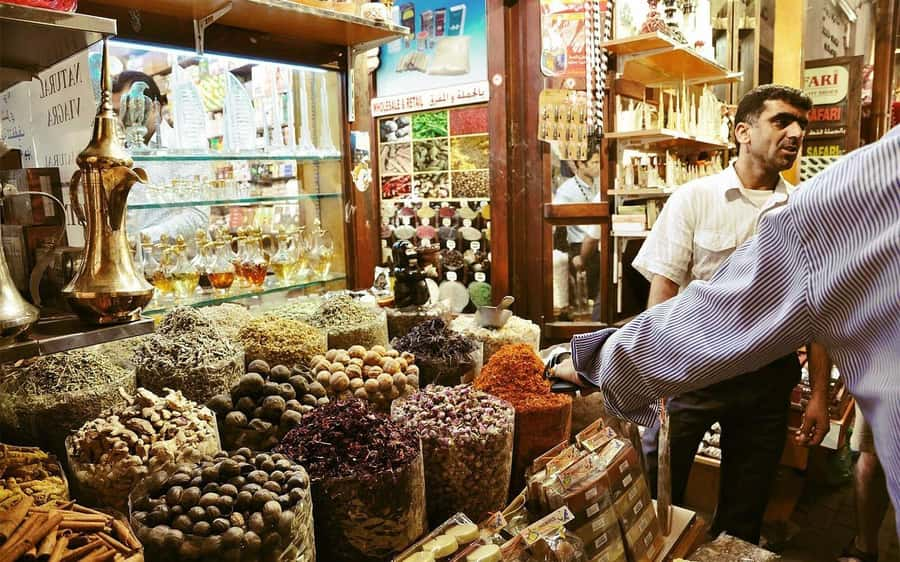
- Markets at the finish: You get free time at the Spice Souk and Gold Souk for browsing and shopping.
- Good value at $19: The price includes a licensed guide, abra fare, tastings, water, and fees, though shopping costs extra.
Why old Dubai is worth your afternoon
If you only visit Dubai’s modern districts, you can leave with a polished but incomplete picture of the city. The old quarter around Dubai Creek feels more grounded. Narrow lanes, low buildings, traditional houses, market stalls, and wooden boats show the commercial life that came before the skyscrapers.
The contrast is the point. One moment you are looking at restored courtyard homes and wind towers. Later, you are crossing the creek while cargo boats and water taxis move nearby. Then you step into Deira, where spices, gold, fabrics, and souvenirs fill the streets.
I find this kind of tour most useful at the start of a Dubai visit. A guide gives you a frame for everything else you see. You begin to understand why the creek mattered, why merchants settled here, and how the city’s older neighborhoods still fit into modern Dubai.
The tour is led in English, Hindi, or Urdu. The named guides who have received especially warm feedback include Abdullah, Shahzad, Mazher, Muhammad, Ikram, and Imran. You should not assume a particular guide will lead your departure, but the experience clearly depends heavily on the individual guide’s ability to explain the city and manage the pace.
More City Tours in Dubai
- Dubai: City Sightseeing HOHO Bus Tour + Sunset & Night Tour
★ 4.3 · 6,442 reviews - Dubai Old and Modern City Tour with Blue Mosque Visit
★ 5.0 · 3,624 reviews - Dubai: Half-Day City Tour with Blue Mosque, Creek, and Souks
★ 4.8 · 3,059 reviews
Al Seef gives you a gentle introduction
The route begins at a selected pickup point, with the standard meeting point at Sharaf DG Metro Station, Exit 4. This station was formerly called Al Fahidi Metro Station, so check the name carefully when planning your arrival.
Al Seef is the first major stop. You spend about 20 minutes walking and taking photographs in an area designed around older Gulf architecture and creek-side trade. It is more polished than the lanes that follow, but it works well as an opening stop because it helps you shift from modern Dubai into the older part of town.
Your guide can begin the story here: the creek, shipping, merchants, and the connection between the Bur Dubai and Deira sides. The stop is not long enough for a full visit to every corner, so think of it as an introduction rather than a stand-alone attraction.
You will walk only a few minutes to the next area. These short transfers keep the route manageable, although the repeated pavement walking is worth remembering if you have limited mobility or dislike standing in the heat.
Al Bastakiya and the old house lanes
Al Bastakiya, also called the Al Fahidi Historical Neighbourhood, is one of the most rewarding sections of the walk. The route takes you past traditional houses, narrow alleyways, and wind towers designed to move air through the buildings before modern cooling systems.
The architectural details make more sense with a guide. Instead of seeing plain walls and small openings, you learn how homes were arranged around courtyards and how wind towers helped with ventilation. The stop lasts about 15 minutes, but the surrounding lanes give the walk much of its character.
This is also where the tour moves beyond a simple photo stop. The guide can explain how families, merchants, and workers lived in the old town. Several guides have been praised for discussing local customs, rules, and ways of thinking, not just dates and building names.
Do not expect a large museum-style presentation here. You are moving through a neighborhood, not sitting in a classroom. That is part of the appeal, but it also means the amount of detail depends on your guide and the questions you ask.
Coffee, dates, and a taste of local hospitality
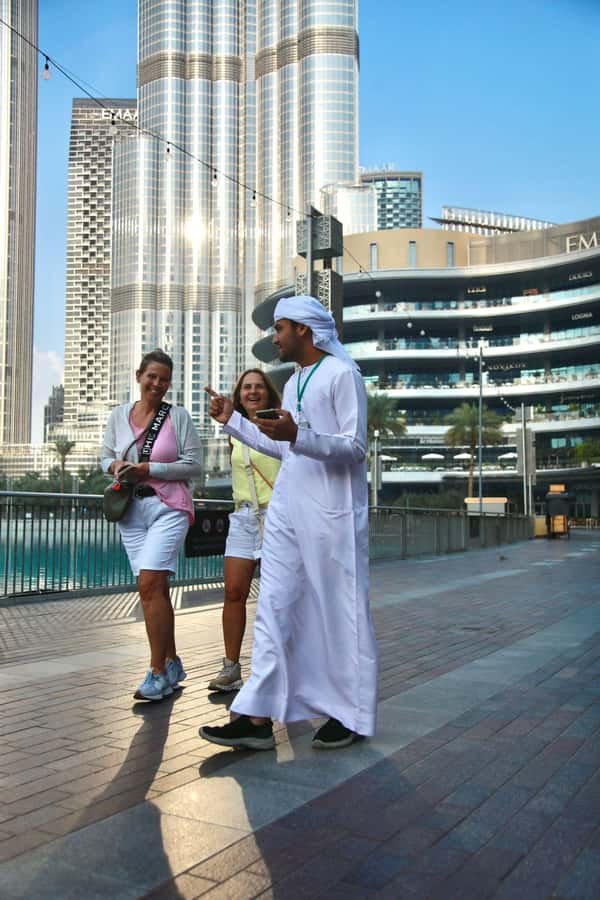
Bayt Al Khanyar Museum and Coffee Shop is a short walk away. You spend roughly 15 minutes here for a visit, explanation, and small tasting.
Coffee is an important part of the region’s social life, and this stop gives you a break from the pavement while adding a sensory detail to the history lesson. Arabic coffee and dates are mentioned in the experience, while the inclusions also specify tea or coffee and one small dish for tasting.
I like this pause because it keeps the tour from becoming a string of buildings and market stalls. You get a chance to ask questions, try something local, and connect everyday hospitality with the wider story of the neighborhood.
The tasting is small, not a meal. Plan to eat beforehand or afterward if you need lunch. The tour includes bottled water for each person, but you should still prepare for warm weather and bring anything else you need during the walk.
More walking tours in Dubai:
- Middle Eastern Food & Culture Walk in Old Dubai
★ 5.0 · 206 reviews - Historic Old Dubai & Souk Small Group Walking Tour
★ 5.0 · 156 reviews - Dubai Souks, Food & Culture Walking Tour
★ 5.0 · 132 reviews - Private Old Dubai Walking Tour: Forts, Souks, and Boats
★ 5.0 · 116 reviews
Al Fahidi Fort and the older city story
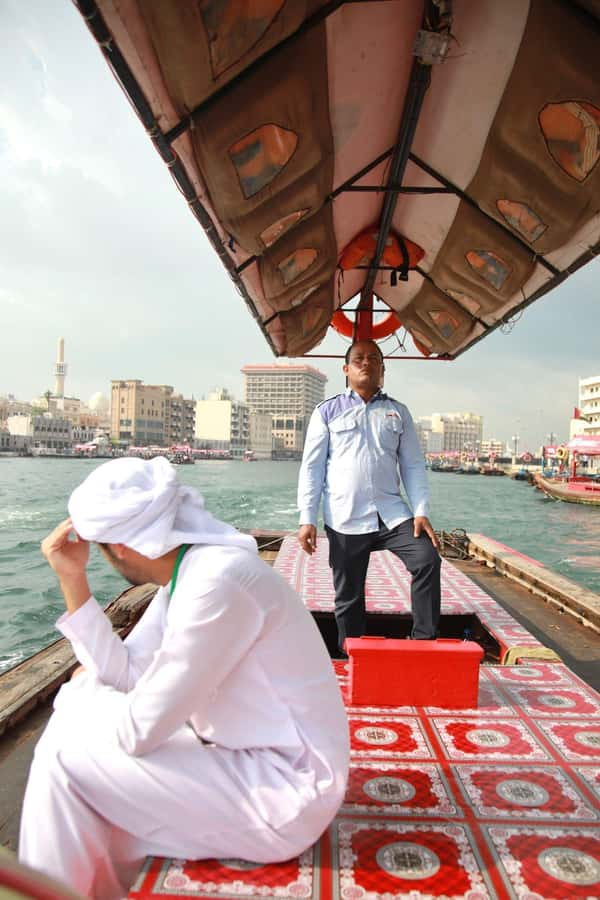
The route then passes Al Fahidi Fort for about 20 minutes. The fort is an important marker in Dubai’s older history, and the guide uses the area to explain the city’s development from a small settlement connected to fishing, trade, and the creek.
The itinerary describes this as a guided pass-by rather than a guaranteed interior museum visit. That distinction matters. You can expect to see the fort and hear about its role, but you should not book this tour mainly for extended museum time.
The Dubai Museum has also been affected by renovation and closure issues at times. One person specifically noted that some areas were unavailable because of renovations. If entering a museum is essential to your plans, confirm current conditions before booking and treat the fort stop as part of the outdoor walking route.
This section is valuable because it puts the modern skyline into perspective. Dubai’s growth was dramatic, but it did not begin with luxury towers. The older city formed around practical trade and a useful waterway.
The Old Textile Market adds color and commerce
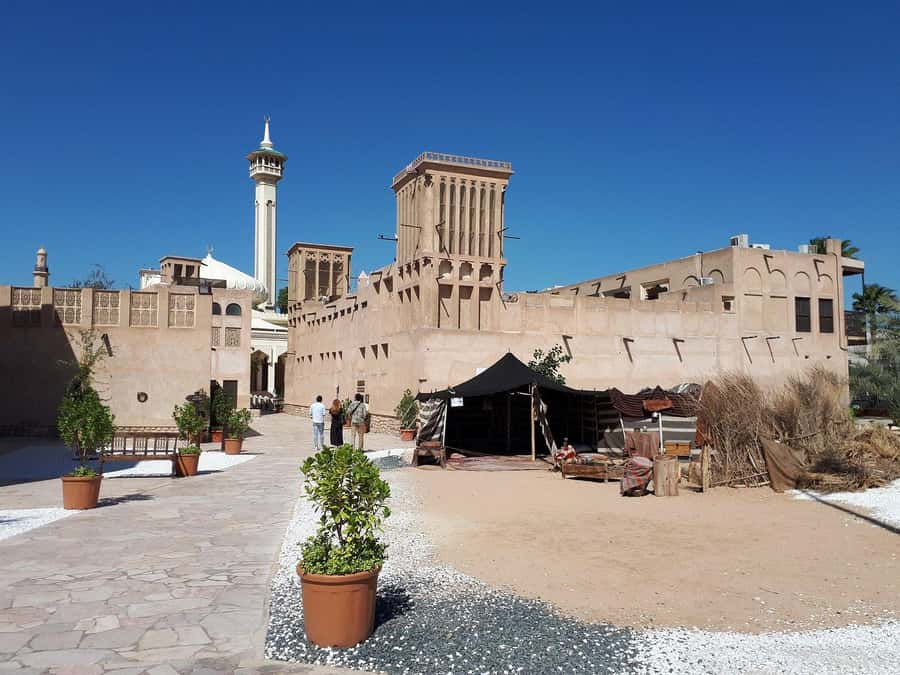
The Old Textile Market follows after another short walk. The group spends about 15 minutes here, with time for photographs, a guided pass-by, and a look at the market atmosphere.
Textiles are one piece of the commercial story around the creek. You may see fabrics, clothing, and shop displays aimed at both local customers and visitors. The guide can help you understand what you are seeing and point out the difference between simply walking past a market and knowing how it fits into the city’s trade.
This is not presented as a long shopping session. The main shopping time comes later in Deira. Still, the textile market gives you a useful first look at the old commercial side of Dubai before the boat crossing.
Keep your belongings close in crowded areas and stay with the group. That is sensible advice for any busy market walk, especially when the route includes several short transitions.
Crossing Dubai Creek by shared abra
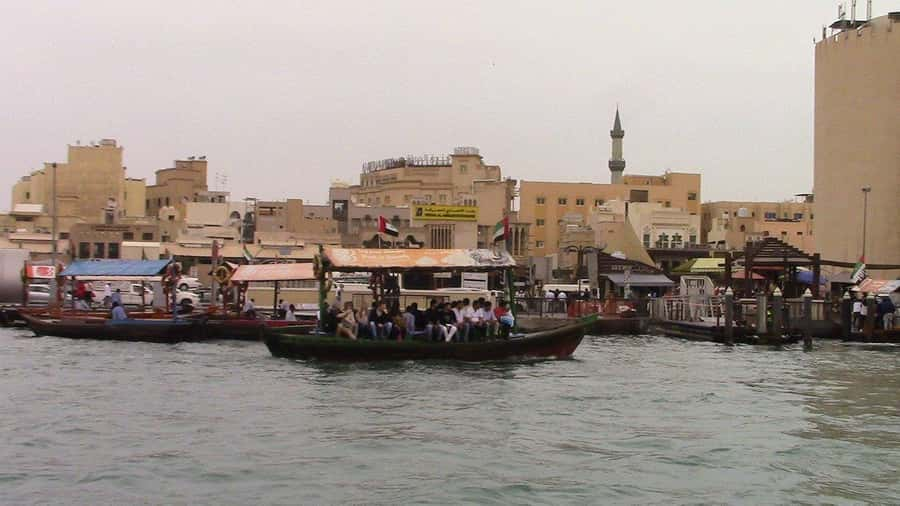
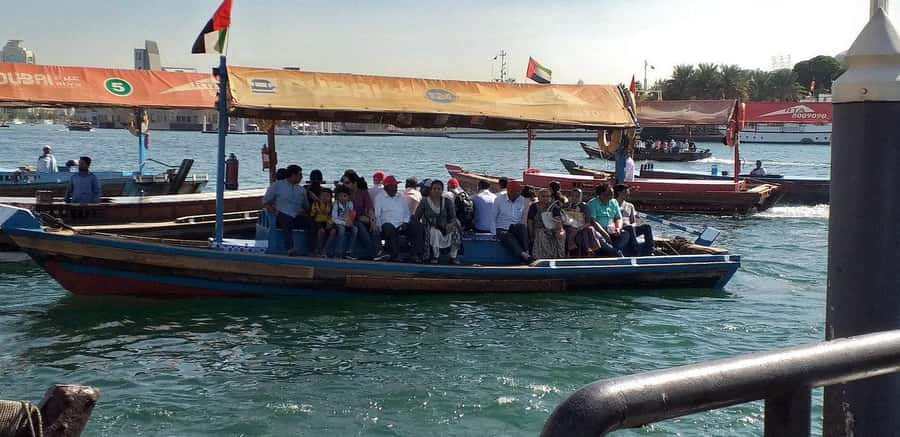
After the textile market, you walk a few minutes to the water and board a shared abra. The crossing takes about ten minutes.
This is the tour’s most distinctive transport segment. An abra is a traditional wooden boat used to cross Dubai Creek, and from the water you get a different view of the old city, waterfront buildings, and working boats. It is not a long cruise, but it breaks up the walking and gives the day a strong sense of place.
I would not confuse this with a private sightseeing boat. The ride is shared, and the focus is transportation across the creek rather than a narrated cruise. That keeps the experience simple and authentic, but it also means the boat portion is short.
The crossing connects you with Deira, the older commercial district on the opposite bank. This change of setting helps the tour feel like two connected neighborhoods rather than one staged historic quarter.
Spice Souk: use your senses, then shop carefully
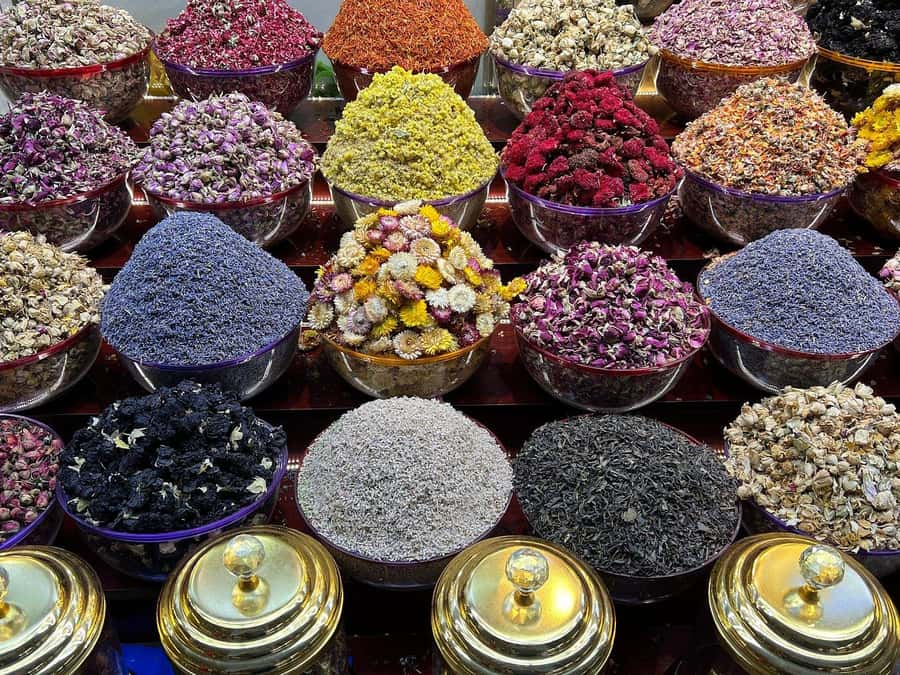
On the Deira side, you spend about 30 minutes at the Dubai Spice Souk. This is your first major free-time stop, and the guide can introduce the spices, dried goods, sweets, chocolates, and other products sold in the shops.
The colors and aromas make this a lively part of the route, but it is still a market built for commerce. You may be invited to taste products or examine packages. If you want to buy something, ask about the price and quantity before agreeing, then compare a few shops rather than purchasing at the first counter.
Some versions of this experience include a stop at a spice shop where you can learn about and taste different products. That can be fun, especially if you want an edible souvenir, but shopping is optional and not covered by the tour price.
Thirty minutes gives you enough time to look around and make a small purchase. It is not enough for a slow, independent market exploration, so return to the meeting point promptly when your guide sets the departure time.
Gold Souk: impressive displays, limited browsing time
The Gold Souk comes next, with another 30 minutes for a guided visit, photographs, sightseeing, and shopping. Even if you have no interest in buying jewelry, the displays are worth seeing for their scale and detail.
The guide can explain how the market works and help you understand what you are looking at. You do not need to buy anything. Treat this as a cultural and commercial stop, not a sales obligation.
If you do shop, keep the tour’s short schedule in mind. You may want to browse first and return later on your own, but this experience finishes near Al Ras Metro Station, so plan your timing before wandering away from the group.
The Gold Souk and Spice Souk also show why Deira remains an important part of Dubai’s identity. The old city is not only preserved architecture. It is still a place of buying, selling, negotiation, and movement.
Pace, group feel, and guide quality
The walking pace is generally described as comfortable, with several people praising guides for making time for questions. That matters here because the route can otherwise feel like a rapid list of names and buildings.
Guides such as Abdullah have been noted for explaining local culture and the city’s past in clear terms. Shahzad has been praised for friendly, detailed explanations, while Mazher and Muhammad have also been singled out for making the route interesting and personal. These comments suggest that the best part of the tour is likely to be the guide’s storytelling rather than any single attraction.
Group size is not specified, so do not assume you are booking a private tour. Some departures may feel small, and one person ended up with a private experience, but that is not guaranteed.
The route includes several walks of three to ten minutes, plus time outdoors at each stop. On hot days, the air-conditioned breaks can be welcome. Still, bring comfortable shoes, drink the supplied water, and avoid treating the three-hour schedule as a relaxed museum visit.
Is $19 a good value?
At $19 per person, this is a strong-value introduction to Old Dubai. The price includes a licensed local guide, entry to the Al Fahidi Historical Neighbourhood and Al Seef, the shared abra crossing, the Spice Souk and Gold Souk visits, water, tea or coffee, a small tasting, taxes, and fees.
You are paying for structure and context. You could walk through parts of Al Fahidi and Deira on your own, but you would need to arrange the route, identify the creek crossing, and find your own explanation of the buildings and markets.
The price does not include your shopping, a full meal, or a private boat. Hotel pickup and drop-off are available only with selected options. Standard meeting is at Sharaf DG Metro Station, Exit 4, while pickup options may begin 40 to 60 minutes before the activity.
Free cancellation is available up to 24 hours before the start, and you can reserve now and pay later. Those terms are useful if your Dubai schedule may change, but the main value remains the combination of guide, walking route, tastings, and abra ride at a low price.
Who should book this Old Dubai walk?
I would choose this tour if you want history without committing to a full-day excursion. It suits first-time visitors, couples, families with older children, and anyone who wants to see the traditional side of Dubai rather than spend another afternoon in a modern mall.
It is also a good fit if you like walking and asking questions. The route is much more useful with an engaged guide, so take advantage of the English, Hindi, or Urdu commentary and ask about architecture, family life, trade, and cultural customs.
I would think twice if you want a slow, private photography walk, a long museum visit, or extensive time at the souks. The itinerary is packed, shopping windows are limited, and some historic sites may be closed or under renovation.
Final verdict: a smart first look at Dubai’s older side
You should book this tour if you want an affordable, well-organized introduction to Al Fahidi, the creek, and Deira. The abra crossing, Arabic coffee or tea, small tasting, and market visits give the experience more texture than a basic neighborhood walk.
The strongest reason to go is the chance to connect the buildings and markets into one story. With a good guide, Dubai’s past becomes easier to understand, and the modern city feels less like a collection of shiny districts.
Choose a cooler time of day when possible, wear proper shoes, and arrive ready to walk. If you do that, $19 buys a useful three hours and a memorable look at the city that existed before the towers.
FAQ
How long does the Old Dubai walking tour last?
The tour lasts three hours.
Where is the meeting point?
The standard meeting point is Sharaf DG Metro Station, Exit 4. The station was previously called Al Fahidi Metro Station.
Is hotel pickup available?
Hotel pickup and drop-off are available if you select that option. Pickup may take place 40 to 60 minutes before the activity begins.
What languages are available?
The live guide service is available in English, Hindi, and Urdu.
Is the abra ride included?
Yes. A shared abra ride across Dubai Creek is included, and the crossing takes about ten minutes.
What markets do you visit?
The route includes the Dubai Spice Souk and the Dubai Gold Souk, with time for sightseeing and shopping at both.
Is food included?
A small dish for tasting is included. Tea or coffee and bottled water are also provided for each person.
Do I need to bring anything?
Comfortable shoes are specifically recommended. The tour includes several walking sections, so suitable footwear is important.
Will I enter the Dubai Museum?
The route passes Al Fahidi Fort and includes historical commentary. Museum access may be affected by renovation or closure, so entry should not be assumed.
Can I cancel the booking?
You can cancel up to 24 hours before the activity for a full refund. Reserve-now, pay-later booking is also available.
More Old Town and Souk Tours in Dubai
- Dubai: Old Town, Creek, Museums, Souks, & Street Food Tour
★ 4.8 · 10,816 reviews - Dubai: Old Town, Souks, Street Food, Guided Tour & Abra Ride
★ 4.9 · 7,170 reviews - Dubai: Frame Tickets, Creek, Souks & Blue Mosque Guided Tour
★ 4.8 · 5,980 reviews - Dubai Aladdin Tour: Souks, Creek, Old Dubai and Tastings
★ 5.0 · 3,755 reviews
Just added around Dubai
- Can am Maverick X3 Rs Turbo★ 5.0 · 35 reviews
- Miracle Garden Admission Tickets with Transfer Options★ 5.0 · 12 reviews
- Deira Creek: Dhow Cruise Dinner★ 3.5 · 15 reviews
- Private Half-Day Tour in Dubai Miracle Garden and Global Village★ 5.0 · 21 reviews
- DXB Private Half-Day Dubai City Tour: Iconic Sights & Landmarks★ 5.0 · 34 reviews
- Dubai Nighttime City Tour with Airport or Hotel Transfer.★ 5.0 · 9 reviews
- Tickets for the DXB Boat Party at Sunset in Dubai★ 5.0 · 50 reviews
- Dubai Canal Dinner Cruise with La Perle Show Tickets Combo★ 4.5 · 56 reviews
Old Dubai and Souks, compared.
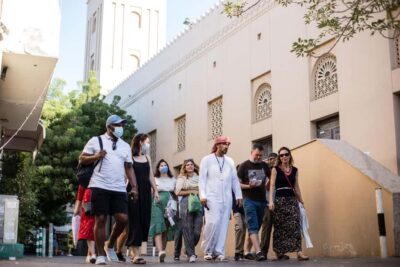
Old Town, Creek, Museums, Souks, & Street Food Tour
Our verdict on this one →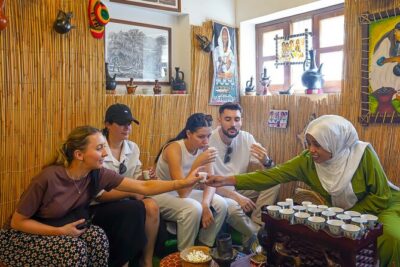
Old Town, Souks, Street Food, Guided Tour & Abra Ride
Our verdict on this one →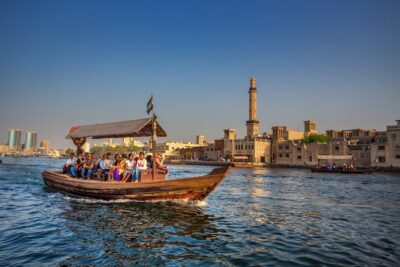
Frame Tickets, Creek, Souks & Blue Mosque Guided Tour
Our verdict on this one →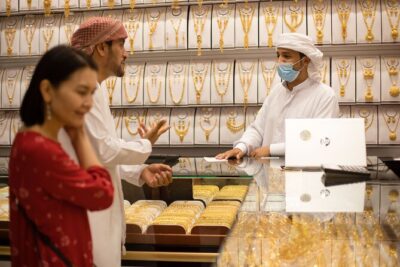
Dubai Aladdin Tour: Souks, Creek, Old Dubai and Tastings
Our verdict on this one →
Half-Day City Tour with Blue Mosque, Creek, and Souks
Our verdict on this one →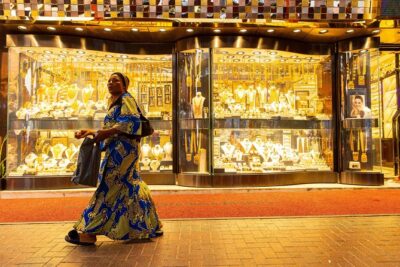
Dubai Half-Day City Tour with Visit to Dubai Gold Souk
Our verdict on this one →Old Town, Souks, Street Food, Guided Tour & Abra Ride
Our verdict on this one →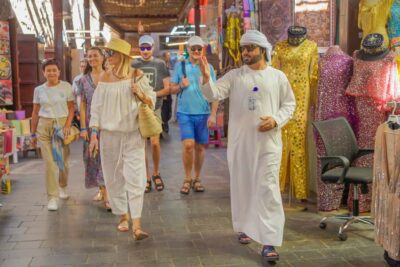
Old Town, Street Food, Creek, Souks, & Emirati House
Our verdict on this one →Browse the lists this tour appears in