
Reviewed · OLD DUBAI AND SOUKS
Dubai: Al Shindagha Museum Entry Ticket
Al Shindagha Museum gives you something Dubai’s glass towers cannot: a close look at the homes, work, beliefs, food, and family life that shaped the city. Al Maktoum Residence is the anchor, but the real appeal is the network of heritage houses beside Dubai Creek, where Dubai’s past is presented with modern displays rather than dusty cases. I like the way the museum connects daily life with Dubai’s rise as a trading city, and I like the mix of traditional subjects with virtual reality and interactive installations. The drawback is that this is a large museum complex, so you need time and energy to see it properly.
I also like the practical flexibility. Your $13 ticket is valid for one day, and you can cancel up to 24 hours ahead for a full refund or reserve now and pay later. The museum is wheelchair accessible, and live guidance is offered in five languages. Just check the available start times before you go, since the ticket does not promise one fixed schedule.
Key points at a glance
- Al Maktoum Residence: Visit the former home of Sheikh Saeed Al Maktoum, who lived there until 1958.
- A 20-plus-house museum: Explore a broad group of heritage houses covering Dubai’s people, work, faith, food, art, and environment.
- Dubai Creek setting: See the museum in Al Shindagha, the historic neighborhood on the creek where the city’s story is rooted.
- Modern ways to learn: Virtual reality and multi-sensory installations make the material easier to grasp than a simple display of objects.
- Five guide languages: English, Arabic, Chinese, Russian, and French are available for live guidance.
- Good value at $13: The low admission cost makes this a useful cultural stop, especially if you plan to spend several hours exploring.
Why Al Shindagha explains Dubai better than a standard city museum
Dubai is often presented through its future: towers, malls, luxury hotels, and ambitious engineering. Al Shindagha shifts your attention to the human choices behind that growth. You see how the creek, trade, the sea, family networks, belief, craft, and practical problem-solving shaped the city before its modern skyline appeared.
That change of focus matters. Instead of treating Emirati culture as a decorative extra, the museum presents it as the foundation of modern Dubai and the United Arab Emirates. You are not looking at one narrow period. The exhibits connect older ways of living with the contemporary Emirati identity.
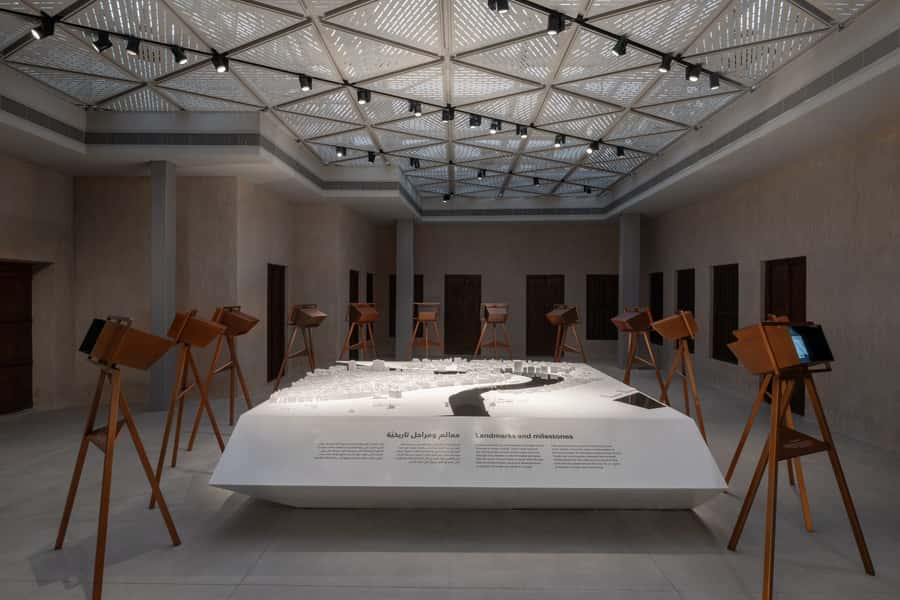
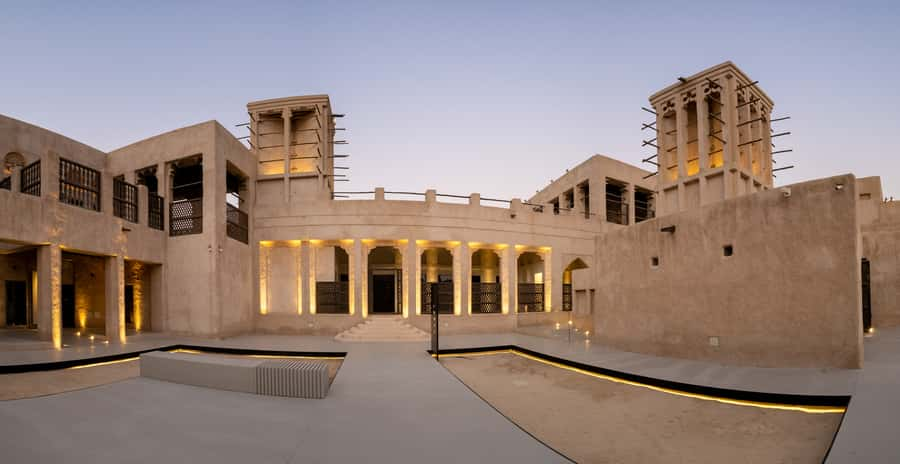
The museum also gives you a sense of scale. This is not one large gallery in a single building. It is a heritage district made up of many houses, each with a different subject. That arrangement makes the visit feel closer to walking through a small historical quarter than touring a conventional museum.
The trade-off is simple: the size can be both the attraction and the challenge. If you rush, the many themes may blur together. If you slow down, the museum gives you a much fuller picture of how Dubai developed.
More Museum Tickets in Dubai
- Dubai: Museum of the Future Admission Ticket
★ 4.3 · 21,464 reviews - Dubai: Old Town, Creek, Museums, Souks, & Street Food Tour
★ 4.8 · 10,816 reviews - Museum of the Future Tickets
★ 3.5 · 792 reviews
Entering Al Shindagha beside Dubai Creek
The museum sits in Al Shindagha, on the banks of Dubai Creek. The location is important because the creek is not just a scenic backdrop. It is central to the museum’s story and to the development of Dubai as a place of trade, movement, and settlement.
Begin at the Visitors Center, which helps you understand how the houses fit together. From there, you can move into the different exhibit buildings and follow the parts of the story that interest you most. The museum’s subjects range from practical daily life to broad questions about progress and identity.
I would allow at least several hours if you want more than a quick look. The ticket is valid for one day, so you are not forced to treat the experience as a fast, single-room stop. Still, the available starting times matter, so check them before booking and plan around the time shown.
The ticket covers entry. It does not list transport, food, or a private guide as included, so plan your visit around the museum admission itself.
Al Maktoum Residence and the story of leadership
One of the most important stops is Sheikh Saeed Al Maktoum Residence. It was originally the home of the Al Maktoum Family and of Sheikh Saeed Al Maktoum, the Dubai monarch at the time, until 1958. He was the grandfather of Sheikh Mohammed bin Rashid.
This house gives the museum a personal center. Dubai’s political and economic growth can seem abstract when you see it only through dates and development projects. A former residence brings that story back to family, leadership, and place.
You should not treat the residence as the whole museum. It is one of the key houses, but the surrounding exhibits give you the social and working context that a single historic home cannot provide. The strongest visit uses the residence as an entry point, then moves outward into trade, crafts, food, religion, and the sea.
The available material does not specify a fixed route or a timed tour inside the residence. That gives you freedom, but it also means you should pay attention to the museum map or directions at the Visitors Center rather than assuming every house follows one obvious path.
The houses that reveal everyday Emirati life
The museum’s strength is its range. You can move from grand themes to very ordinary human needs, seeing how people ate, worked, traveled, dressed, prayed, healed, and made things.
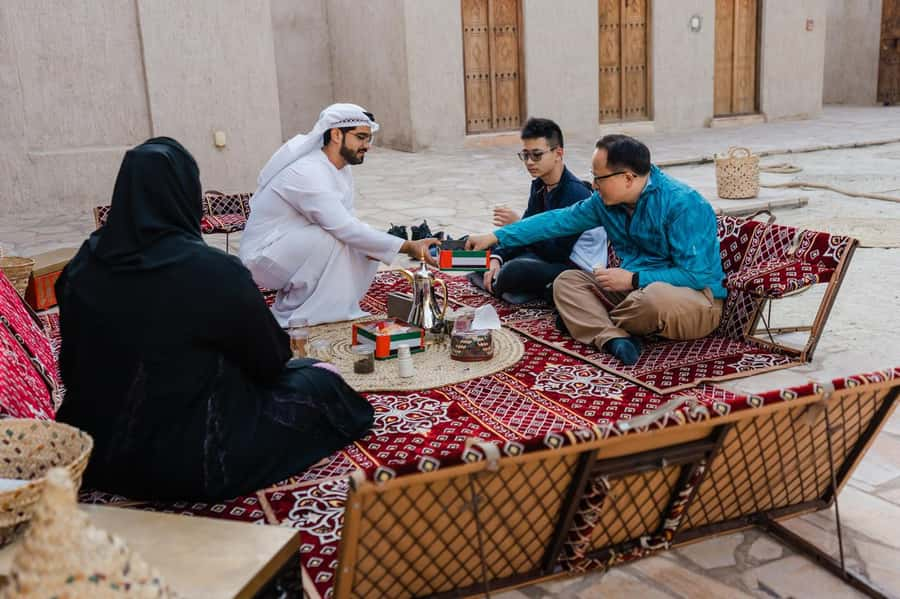
The listed houses include Traditional Crafts, Traditional Jewelry, Beauty and Adornment, and Traditional Food. These subjects help you read culture through objects and practices. A piece of jewelry, a craft technique, or a food tradition can tell you about skill, status, family life, and local resources without requiring a long lecture.
There is also a house devoted to Traditional Healthcare. That subject shows the practical knowledge used before modern medical systems became widespread. It adds balance to the museum because it moves beyond major events and famous people.
People and Faith looks at another essential part of community life. It belongs beside the houses about food, family, and work because belief is not presented as an isolated topic. It is part of how people understand society and daily conduct.
For younger visitors, the Children’s Pavilion offers a more approachable way into the museum. Families may find it useful when children need a change from text-based exhibits. The exact activities are not specified, so it is best to think of it as a dedicated children’s area rather than expect a particular workshop or show.
Same area, a completely different kind of day:
- Dubai: Burj Khalifa Levels 124 & 125 Entry Ticket + Options
★ 4.3 · 90,891 reviews - Dubai: Burj Khalifa Sky Level 148, 124, & 125 Entry Ticket
★ 4.6 · 23,827 reviews - Dubai: The View At The Palm Observatory Entry Ticket
★ 4.6 · 22,529 reviews - Dubai: Jetski to Burj Arab-Atlantis w Pic, Video & Icecream
★ 4.9 · 22,260 reviews
Trade, travel, and the making of a city
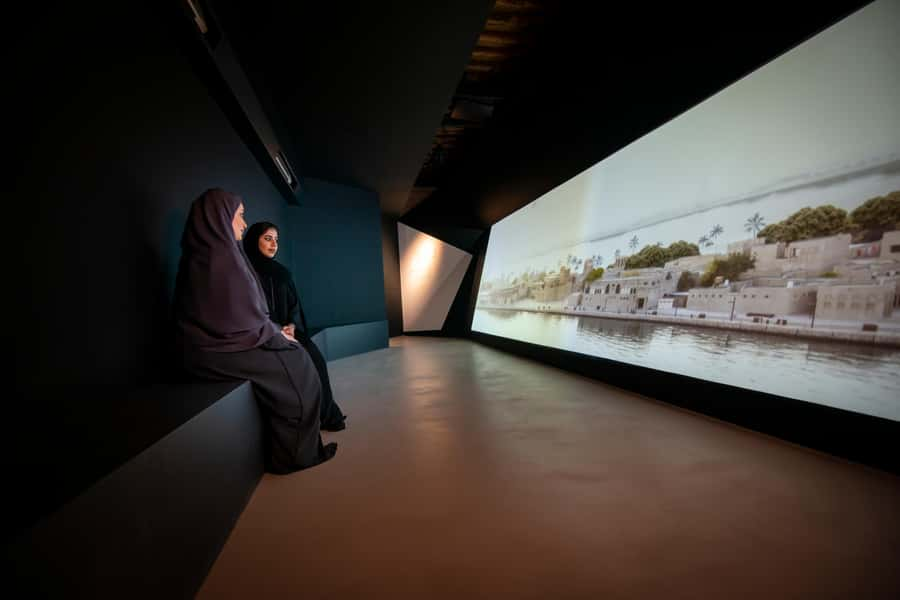
The houses called Trade and Journeys, Navigation, and Dubai Creek: Birth of a City form the clearest explanation of Dubai’s growth. Together, they place movement at the heart of the story.
Trade is not only about goods. It is also about the routes, skills, risks, contacts, and decisions that allow a settlement to grow. A navigation exhibit adds the practical side of that story, showing why knowing the water and reading routes mattered.
The Dubai Creek house gives the local setting a clear role. It helps you understand why this stretch of water appears so often in the museum’s themes. The city did not become important by accident. Its connection to travel and trade helped shape the direction of its development.
The Emerging City house then carries the story forward. It links older forms of work and community with the growth of modern Dubai. This is one of the museum’s most useful ideas: the present did not replace the past in one clean break. The city’s newer identity grew from older skills, relationships, and ambitions.
Sea, land, plants, and the local environment
The museum also looks at the natural world through Culture of the Sea, Life on Land, and Water, Fauna and Flora. These houses broaden the picture beyond buildings and commerce.
The sea was a source of work, movement, and culture. Land-based life required different knowledge and routines. Water, animals, and plants shaped what people could eat, make, grow, and use. These exhibits give you a better sense of the practical environment in which Emirati traditions developed.
This part may be especially useful if you want context rather than a list of dates. It shows that heritage includes environmental knowledge and adaptation. The museum’s larger message is about ingenuity and resilience, and these subjects make that message concrete.
The information provided does not specify individual objects or displays in each house. Expect the subjects to be presented through a blend of exhibits and interactive media, but avoid arriving with a rigid checklist of particular artifacts.
Perfume, poetry, and creative expression
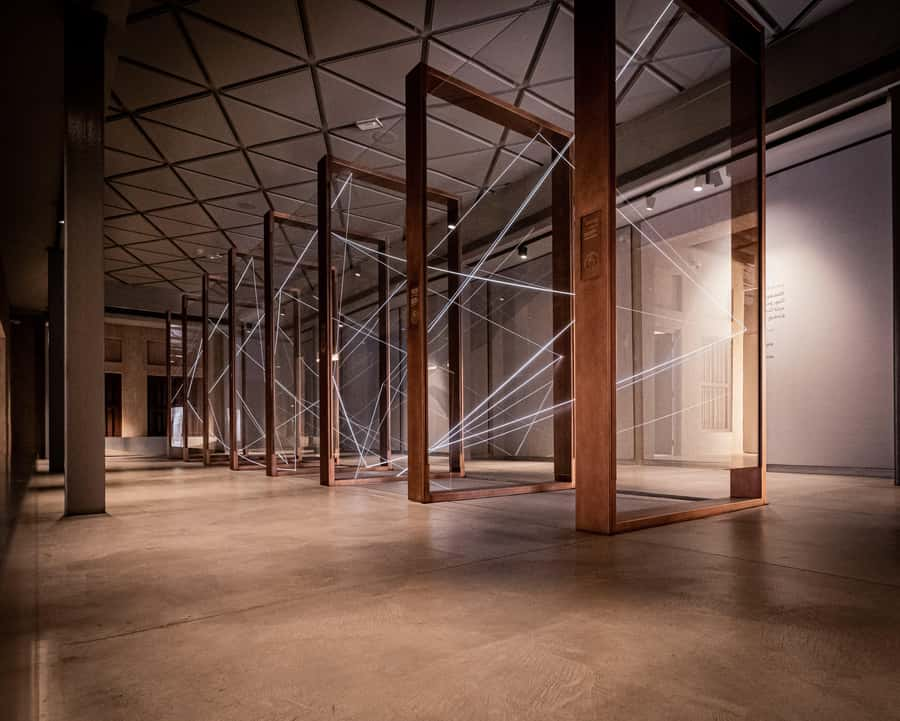
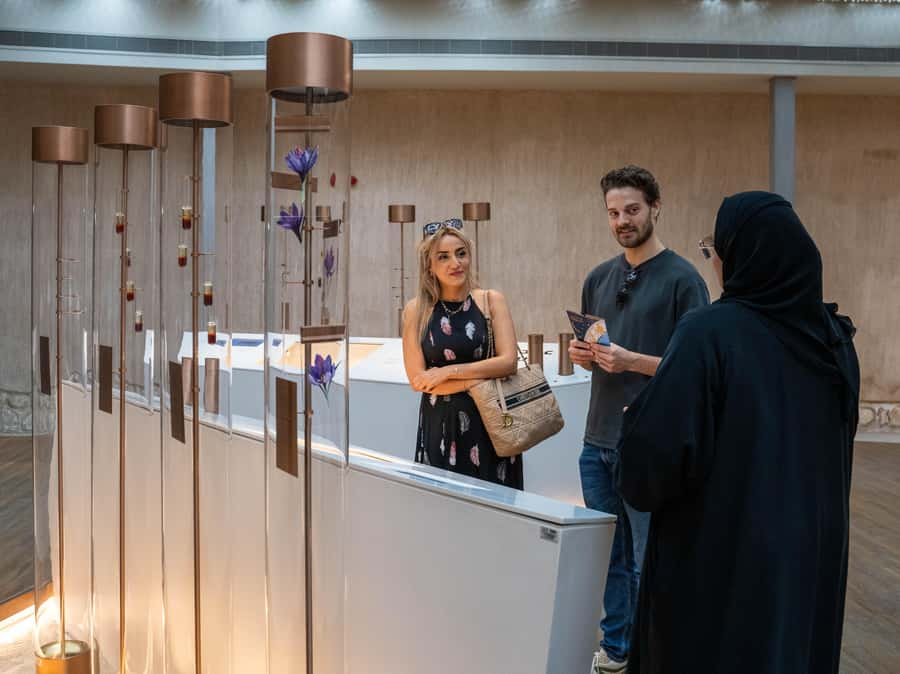
Some of the most memorable cultural subjects are likely to be the ones that connect the senses and imagination with daily life. The Perfume House looks at scent and its place in Emirati culture, while Poetry and Expressions turn toward language, creativity, and personal voice.
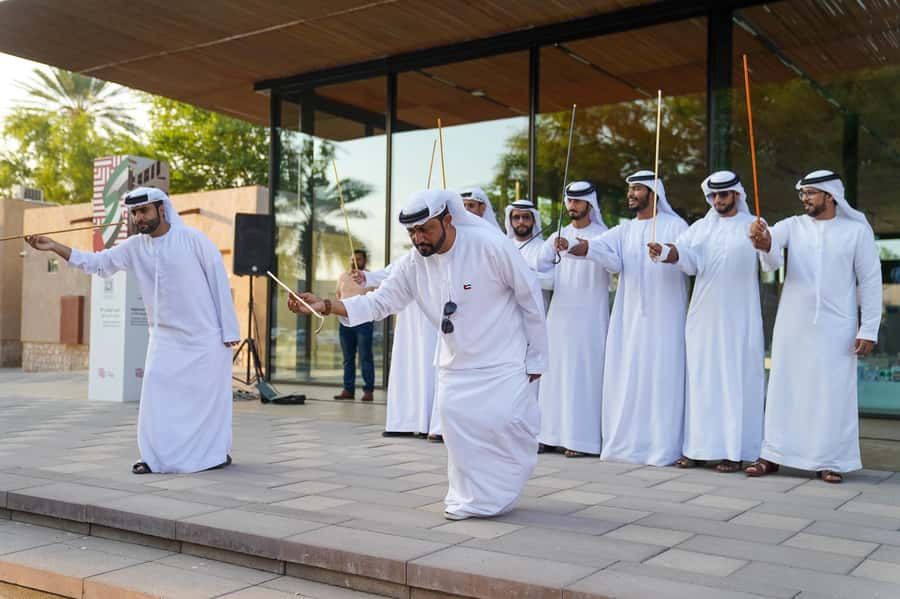
These houses matter because a city’s identity is not made only by trade figures or political milestones. Scent, poetry, adornment, and artistic expression often carry family memory and social meaning. They are also approachable subjects if you are new to Emirati culture.
Community Hall adds another social dimension. Its name suggests a shared space within the museum’s larger story, helping link individual customs with the life of a community. The museum also lists Beauty and Adornment, which gives you another route into questions of presentation, identity, and tradition.
The museum uses multi-sensory and interactive installations across the complex. That is a real advantage when the subject matter includes perfume, poetry, craft, and food. You are given more than written explanation, though the exact form of each installation can vary by house.
Modern technology inside historic surroundings
Al Shindagha does not rely only on restored buildings and traditional displays. It uses virtual reality and other multi-sensory installations to make the material more immediate.
That modern approach is one of the museum’s best features. A digital presentation can help you understand a place, process, or period that is difficult to communicate through a label. It also gives younger visitors and people who do not usually spend long hours in museums another way to stay engaged.
At the same time, technology is not a substitute for context. The museum works best when you connect the interactive parts to the actual houses and themes around them. Treat the digital elements as tools that help you picture the story, not as the entire reason to visit.
The experience has been described as very interactive and modern, which fits the museum’s stated design. If you prefer quiet galleries with minimal technology, you may find the approach busier than expected. If you like learning through sight, sound, and participation, it should make the long museum visit easier.
Guide languages and how to plan your visit
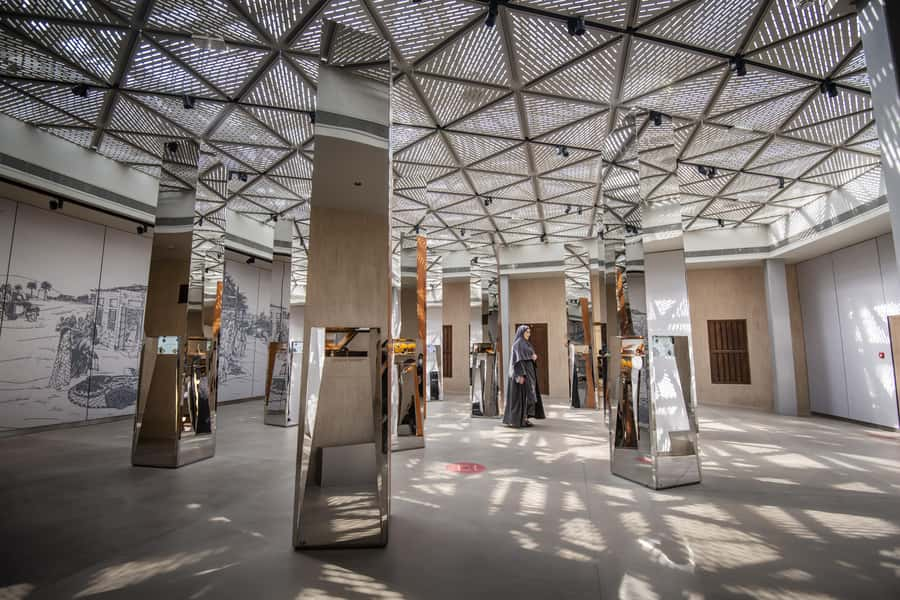
Live guidance is available in English, Arabic, Chinese, Russian, and French. That is useful if you want help following the museum’s larger story rather than reading every display alone.
One individual guide named Peter received especially warm praise in the feedback provided, so if your booking offers a guide selection or an assigned guide, it is worth checking the name and language in advance. The information does not promise that Peter will lead every visit, so do not book on the assumption that he will be available.
The activity is listed as a one-day experience, not a fixed-length guided tour. That gives you room to spend more time in the houses that interest you, but it also puts the responsibility for pacing in your hands.
The museum is wheelchair accessible. That is important in a multi-building complex, though the available details do not describe the exact routes between every house. If you need a particular access arrangement, confirm it before arrival.
Is $13 good value for a full day?
At $13 per person, admission is fairly priced for the amount of content offered. You are not paying to see one residence and leave. The ticket gives you access to a large heritage museum with Al Maktoum Residence and more than 20 other houses.
Value depends on how you visit. If you spend only a short time at one or two buildings, the ticket may feel less useful. If you give the museum several hours and follow the links between the houses, the price compares well with many paid cultural attractions.
The reserve-now-and-pay-later option can help if your Dubai schedule is still shifting. Free cancellation up to 24 hours before the visit adds another layer of flexibility. These booking terms are useful, but the main value remains the breadth of the museum itself.
The overall score is 4.5 from 36 ratings, with especially strong praise for the buildings, subject selection, and modern interactive design. A brief comment calling the experience simply fantastic is not detailed, but it fits the broader picture: the museum makes a strong impression when you give it enough time.
Who should visit Al Shindagha Museum?
I would recommend it to you if you want to understand Dubai beyond shopping, skyscrapers, and luxury. It suits adults interested in culture, families looking for a museum with a children’s area, and first-time visitors who want a clear introduction to Emirati identity.
It is also a good choice if you enjoy museums that mix original historic settings with technology. The different houses let you choose your emphasis, from trade and navigation to food, faith, crafts, poetry, or the natural environment.
You may want to skip it if your Dubai schedule allows only a very short stop or if you dislike multi-building museums. The number of subjects can feel like a lot when you have less than a few hours.
Should you book this Dubai museum ticket?
Book it if you want a serious cultural stop with enough variety to fill much of a day. The $13 price is modest, the museum is wheelchair accessible, five guide languages are available, and the combination of Al Maktoum Residence, heritage houses, and interactive displays gives you more than a quick photo opportunity.
Go with realistic expectations. This is a broad museum complex, not a short guided attraction with one polished finale. Give yourself time, start at the Visitors Center, and choose a sensible pace. If you want to see how trade, family life, faith, the sea, crafts, and modern Dubai fit together, Al Shindagha is a strong choice.
FAQ
Where is Al Shindagha Museum located?
Al Shindagha Museum is in the historic Al Shindagha neighborhood on the banks of Dubai Creek, in the Emirate of Dubai, United Arab Emirates.
How much does admission cost?
The listed price is $13 per person.
How long is the ticket valid?
The ticket is valid for one day. Starting times are based on availability, so check them before booking.
What does the ticket include?
The ticket includes entry to Al Shindagha Museum.
Which heritage buildings can I visit?
You can visit Al Maktoum Residence and more than 20 heritage houses covering subjects such as Dubai Creek, trade, navigation, crafts, food, faith, poetry, the sea, and traditional healthcare.
Is Al Maktoum Residence included?
Yes. Al Maktoum Residence is included among the museum’s heritage houses.
Are guided visits available in English?
Yes. Live tour guidance is available in English, Arabic, Chinese, Russian, and French.
Is the museum wheelchair accessible?
Yes. The activity is listed as wheelchair accessible.
Can I cancel the booking?
Yes. You can cancel up to 24 hours in advance for a full refund. You can also reserve now and pay later.
More Old Town and Souk Tours in Dubai
- Dubai: Old Town, Souks, Street Food, Guided Tour & Abra Ride
★ 4.9 · 7,170 reviews - Dubai: Frame Tickets, Creek, Souks & Blue Mosque Guided Tour
★ 4.8 · 5,980 reviews - Dubai Aladdin Tour: Souks, Creek, Old Dubai and Tastings
★ 5.0 · 3,755 reviews - Dubai: Half-Day City Tour with Blue Mosque, Creek, and Souks
★ 4.8 · 3,059 reviews
Just added around Dubai
- Can am Maverick X3 Rs Turbo★ 5.0 · 35 reviews
- Miracle Garden Admission Tickets with Transfer Options★ 5.0 · 12 reviews
- Deira Creek: Dhow Cruise Dinner★ 3.5 · 15 reviews
- Private Half-Day Tour in Dubai Miracle Garden and Global Village★ 5.0 · 21 reviews
- Dubai Nighttime City Tour with Airport or Hotel Transfer.★ 5.0 · 9 reviews
- DXB Private Half-Day Dubai City Tour: Iconic Sights & Landmarks★ 5.0 · 34 reviews
- Tickets for the DXB Boat Party at Sunset in Dubai★ 5.0 · 50 reviews
- Dubai Canal Dinner Cruise with La Perle Show Tickets Combo★ 4.5 · 56 reviews
Old Dubai and Souks, compared.
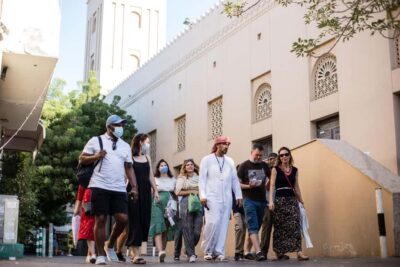
Old Town, Creek, Museums, Souks, & Street Food Tour
Our verdict on this one →
Old Town, Souks, Street Food, Guided Tour & Abra Ride
Our verdict on this one →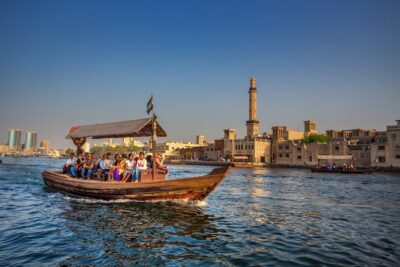
Frame Tickets, Creek, Souks & Blue Mosque Guided Tour
Our verdict on this one →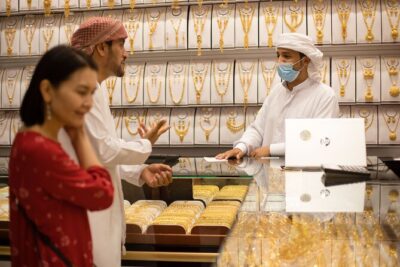
Dubai Aladdin Tour: Souks, Creek, Old Dubai and Tastings
Our verdict on this one →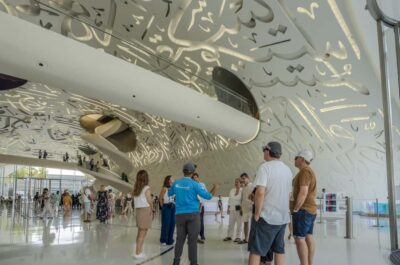
Half-Day City Tour with Blue Mosque, Creek, and Souks
Our verdict on this one →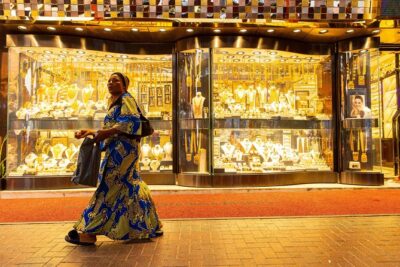
Dubai Half-Day City Tour with Visit to Dubai Gold Souk
Our verdict on this one →Old Town, Souks, Street Food, Guided Tour & Abra Ride
Our verdict on this one →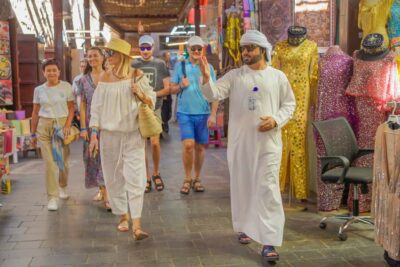
Old Town, Street Food, Creek, Souks, & Emirati House
Our verdict on this one →Browse the lists this tour appears in