
Reviewed · OLD DUBAI AND SOUKS
Walking Tour in Dubai. Souks, museums, Local Food Testing
Old Dubai is best understood at walking speed, with coffee and spice in the air, old wind-tower houses around you, and a short wooden abra ride cutting across Dubai Creek. This tour links those small, human-scale moments with the famous Gold Souk, rather than leaving you to puzzle out the old quarter alone.
I like the mix of architecture and markets, especially the Al Fahidi lanes, textile stalls, and spice vendors. I also like that the $24 price includes the abra, camel milk tastings, street food, and water. The main drawback is the pace: three hours on foot, with hot streets and uneven walking, may be tiring if you have mobility limits or dislike crowded commercial areas.
Key points at a glance
- A practical Old Dubai route: Begin at Sharaf DG Metro Station and finish at Al Ras Metro Station, with the main sights connected on foot.
- An abra crossing: The five-minute water taxi ride gives you a simple, memorable view of Dubai Creek.
- Three major souk areas: See the textile, spice, and gold markets, each with a different feel and purpose.
- Small local tastings: Camel milk tea, camel milk chocolate, street food, and bottled water are included.
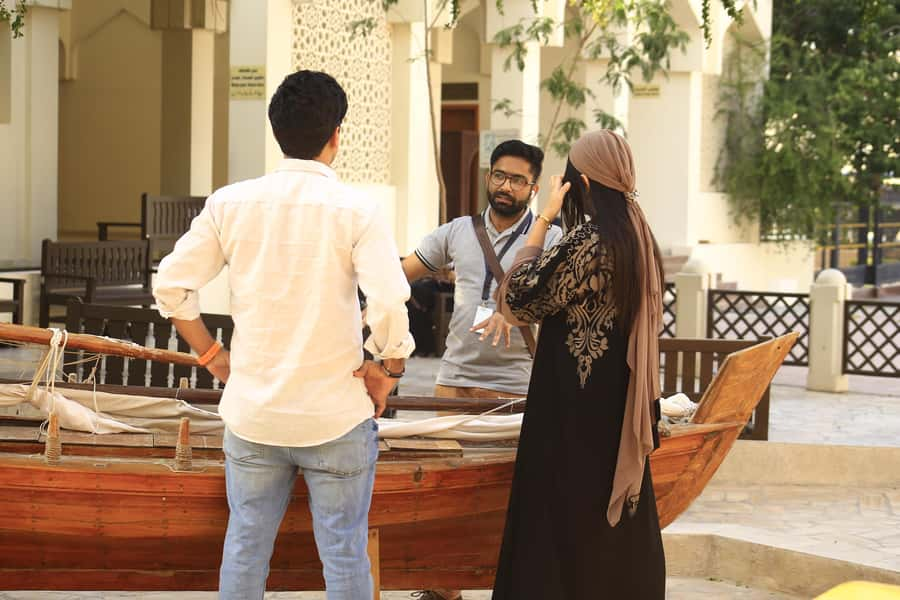
- Guides who add personal context: Abdullah and Ikram have led this experience, with English used throughout.
- A strong low-cost introduction: At $24, the tour covers transport, tastings, and several of Dubai’s oldest districts.
Why this tour works for seeing old Dubai
Dubai is often presented through towers, malls, and polished hotels. This experience takes you to the older districts where the city feels closer to the creek, the market stall, and the courtyard house. You will not simply pass through in a taxi. You will walk between places, pause for explanations, and have time to notice details that are easy to miss from the road.
The route is also well arranged for a first look. It begins on the Bur Dubai side of the creek and ends near Al Ras, across the water. That means the tour gradually moves from Al Seef and Al Fahidi toward the traditional markets, then finishes in Deira near the Gold Souk and Al Ras Metro Station.
I would choose this tour early in a Dubai visit. It gives you useful bearings, shows how the creek divides the historic districts, and helps you decide where you might want to return for shopping, photos, or a slower meal.
More Museum Tickets in Dubai
- Dubai: Museum of the Future Admission Ticket
★ 4.3 · 21,464 reviews - Dubai: Old Town, Creek, Museums, Souks, & Street Food Tour
★ 4.8 · 10,816 reviews - Museum of the Future Tickets
★ 3.5 · 792 reviews
Starting at Sharaf DG and reaching Al Seef
You meet at Sharaf DG Metro Station Exit 4, then walk for about five minutes to Al Seef. Starting by metro is useful because it avoids the confusion of finding a meeting point inside a large hotel or shopping center.
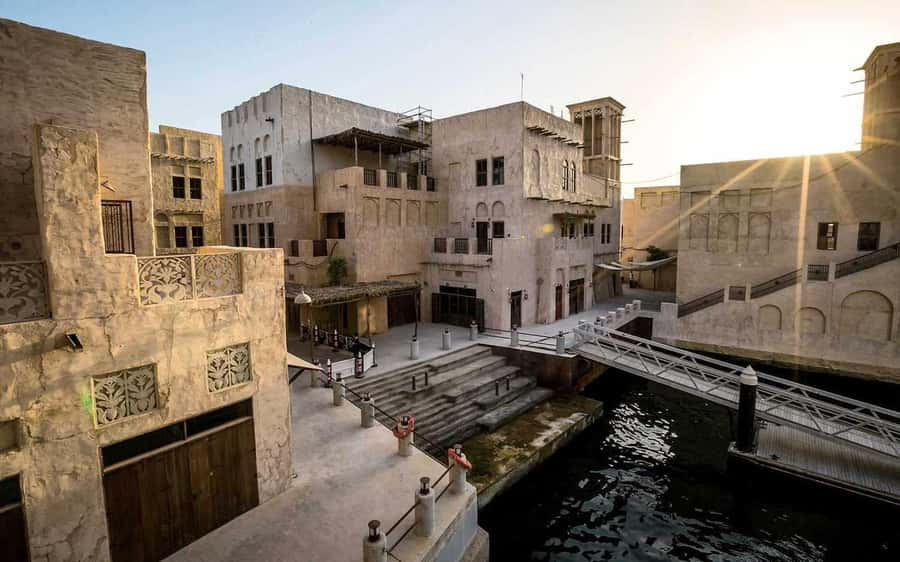
Al Seef provides a gentle introduction to the old creek area. The guide leads you through a mix of Arabian-style design, restored-looking lanes, and waterfront views. It is a photo stop as much as a history stop, so have your phone ready, but listen closely too. The point is not only the appearance of the buildings. It is the change in scale from modern Dubai to a district shaped around traditional homes, narrow passages, and the creek.
You have about 30 minutes here. That is enough for an overview, not a slow architectural study. If you like taking many photos, you may need to keep moving to stay with the group.
Al Fahidi, wind towers, and old city walls
The walk continues to Al Fahidi, where the architecture becomes the main attraction. The district is known for traditional houses with courtyards, shaded lanes, and wind towers. These towers were designed to catch and direct air into buildings before modern cooling systems changed life in the Gulf.
The tour allows about 50 minutes in Al Fahidi, making this the longest stop. That matters because the area rewards attention. Look up at the tower shapes, then look down at the rougher textures of the lanes and doorways. Several old buildings now serve as cultural spaces, including museums, art galleries, event venues, and a coffee museum.
The guide can help connect these buildings to Emirati life instead of treating them as a row of pretty facades. Guides such as Abdullah and Ikram have been praised for answering questions about Dubai and its past, but guide assignments can change. The tour is in English, so you should be comfortable following spoken explanations while walking.
You also pass the Old Mosque and the remains of Dubai’s old enclosure wall, built around 1800 AD. These are brief sights rather than long museum visits. Still, they help explain how compact the old settlement once was.
Al Fahidi Fort and the route toward the markets
After another short walk, you reach Al Fahidi Fort for a 15-minute photo stop. The fort is tied to the city’s early defenses and to the nearby Dubai Museum. The route presents it as an exterior sight, so do not expect a long indoor museum session as part of the timed program.
The next walk takes about five minutes to Al Souq Al Kabeer. You have roughly 10 minutes for photos and a look around. This is a useful transition point. The tour shifts from historic buildings to the working market areas, where shopping, local trade, and tourist interest overlap.
The short time at each location keeps the tour moving, but it also means you should not expect to browse every shop carefully. If you already know you want to buy fabric, spices, or gold, make a note of the places you want to revisit after the tour.
More food tours in Dubai:
- Dubai: Old Town, Souks, Street Food, Guided Tour & Abra Ride
★ 4.9 · 7,170 reviews - Dubai: Old Town, Souks, Street Food, Guided Tour & Abra Ride
★ 5.0 · 1,664 reviews - Dubai: Old Town, Street Food, Creek, Souks, & Emirati House
★ 4.9 · 1,496 reviews - Old Dubai: Premium Guided Tour with Street Food & Abra Ride
★ 4.9 · 416 reviews
Textile Souk: color, fabric, and shopping pressure
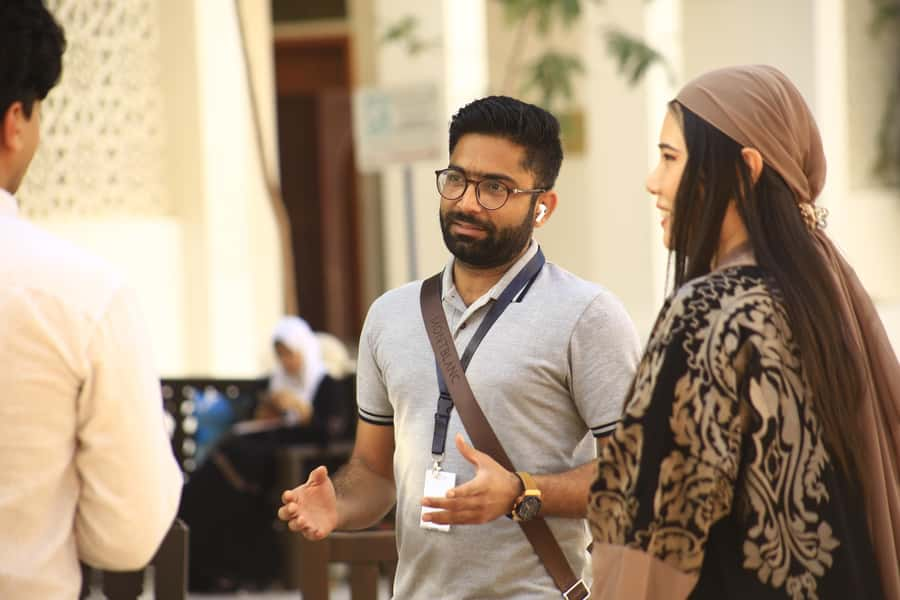
The Old Textile Market gets another 10-minute visit. This is where you see fabrics in many colors and patterns, along with the sales activity that comes with a traditional shopping district.
The textile market is less about a formal lesson and more about seeing how the souk functions. Stalls, displays, and shopkeepers make the area feel active, and the guide can give you context as you walk. You might find scarves, cloth, and other traditional-style textiles, but the supplied details do not promise specific products or fixed prices.
Keep your shopping pace sensible. A guided tour is a poor time for a long negotiation because the group has a schedule. Use the stop to get a feel for prices and styles, then return later if you want to make a careful purchase.
Crossing Dubai Creek by abra
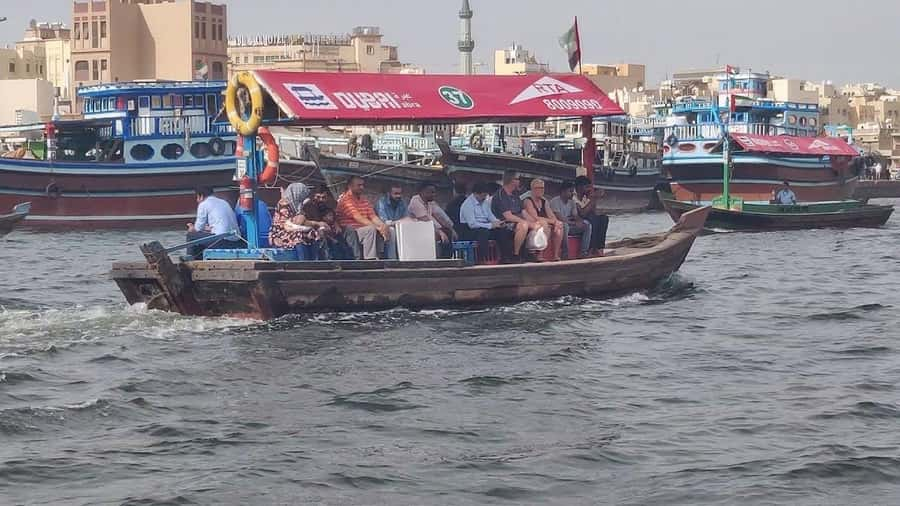
The five-minute abra ride is one of the most appealing parts of the experience. An abra is a traditional water taxi, and crossing the creek gives you a quick change of scene without adding a long transport connection.
From the water, you get a different view of the old waterfront and the surrounding buildings. It is a short ride, so do not expect a full cruise or a long narrated boat trip. Its value is simple: you cross the creek as people have done for generations, and the ride neatly connects the Bur Dubai and Deira sections of the tour.
The boat may also provide a welcome break from walking. Keep your belongings secure and be ready to step on and off promptly. Large bags are not allowed on this activity, and that is sensible on a compact boat and in crowded market lanes.
Spice Souk: smells, samples, and a useful pause
On the Deira side, the tour reaches the Dubai Spice Souk for about 30 minutes. This is where your senses do much of the work. You can expect the smell of spices and coffee, colorful displays, and vendors selling ingredients from across the Middle East.
The stop includes guided exploration and tasting opportunities. Camel milk tea, camel milk chocolate, and street food are listed among the inclusions, giving you a small taste of local flavors without paying extra for each sample. Bottled water is also included, which is practical in Dubai’s heat.
I like this part because it turns food into a way of understanding the place. Spices are not just souvenirs in a display. They point to trade, cooking, hospitality, and the creek’s role in connecting Dubai with other parts of the region.
You should still treat the market as a shopping environment. Vendors may invite you to smell or examine products, and prices can vary. The tour price does not cover personal purchases, so bring a clear budget and do not feel obliged to buy every item you are shown.
Gold Souk and the final walk to Al Ras
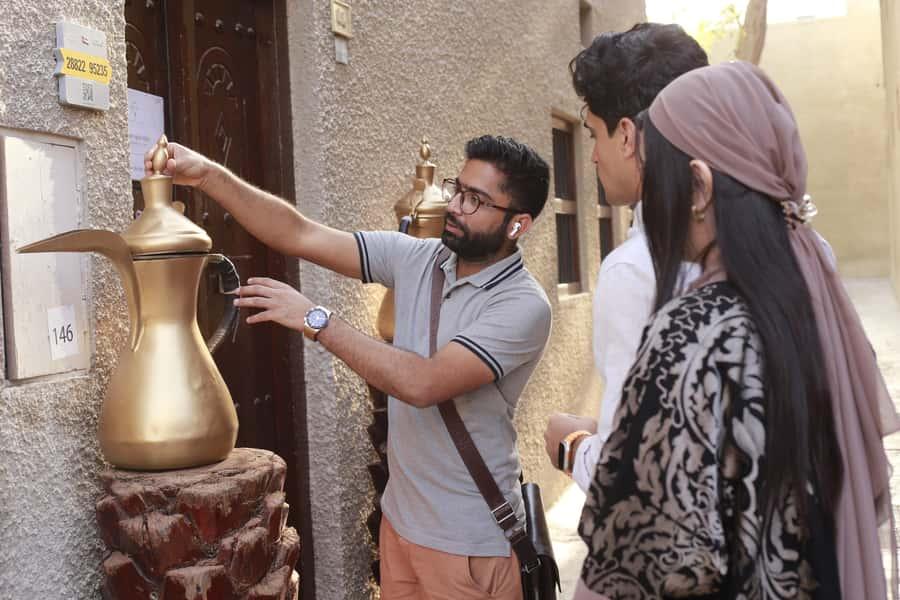
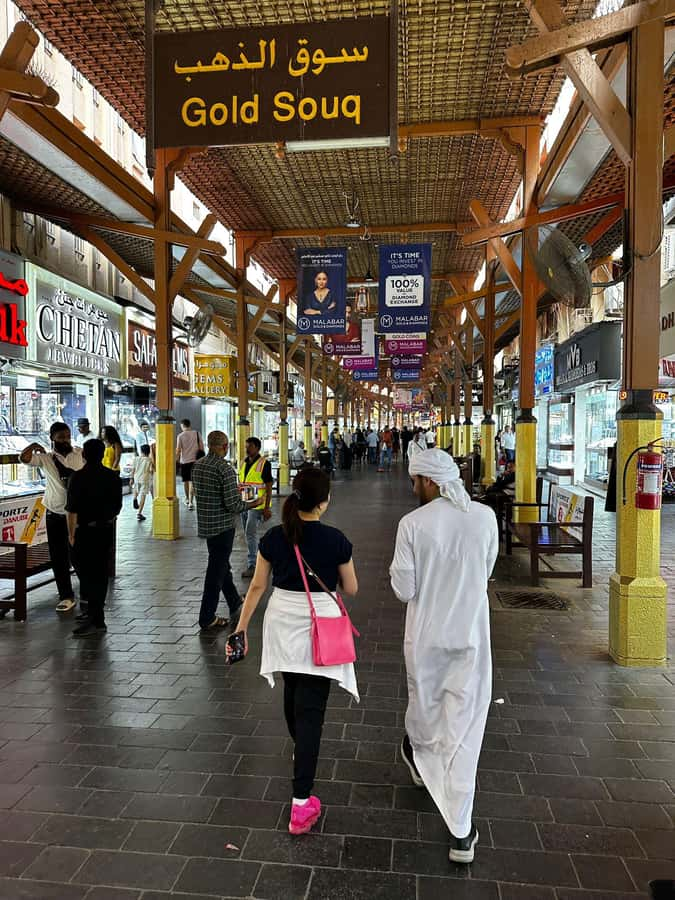
The final major stop is the Dubai Gold Souk, reached after the Spice Souk. You have about 30 minutes here, enough to see the scale of the market and its many jewelry shops.
The Gold Souk is known for having more than 350 tax-free gold retailers, making it one of the largest gold retail markets in the world. Even if you have no intention of buying jewelry, the displays are worth seeing. Gold is arranged in a way that makes the market feel almost theatrical, but the shopping remains serious business, with prices, workmanship, and weight all mattering.
A guide can help you understand what you are looking at, but do not confuse a market visit with a buying guarantee. Personal expenses are not included. If you shop, ask about the price, weight, and workmanship before agreeing to anything. The tour gives you an introduction; it does not replace your own careful judgment.
The experience finishes at Al Ras Metro Station. That is convenient if you want to continue exploring Deira, return to your hotel, or use the metro for the next part of your day.
What the $24 price really includes
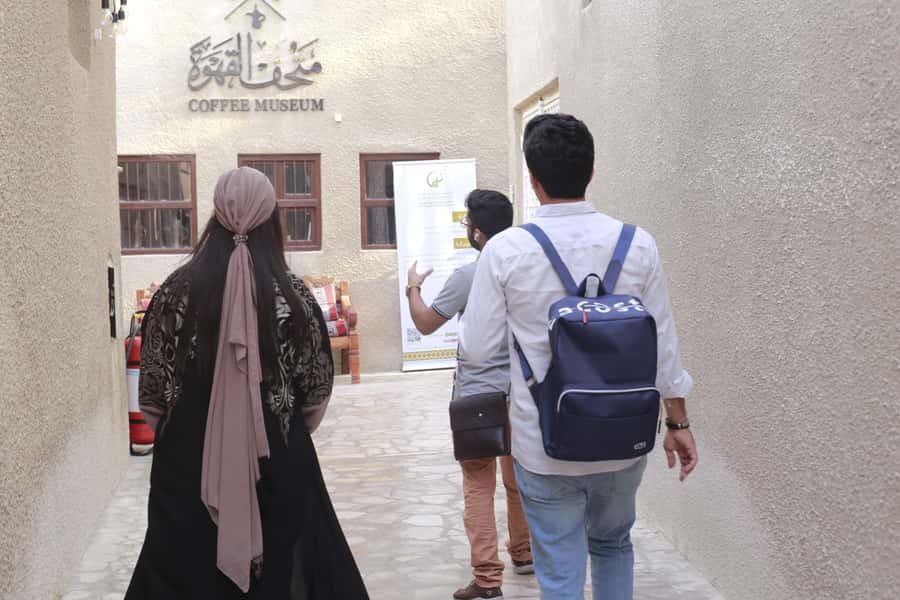
At $24 per person, this is a good-value orientation tour if you plan to use the included elements. You are paying for three hours with an English-speaking guide, the abra crossing, bottled water, camel milk tea, camel milk chocolate, and a street food tasting.
The value is strongest for first-time visitors who want a clear route through Old Dubai without arranging several separate stops. The tour also saves you from figuring out how to connect Al Fahidi, the textile market, the creek, the Spice Souk, and the Gold Souk on your own.
The price does not cover personal shopping or other expenses. That distinction matters because the souks are designed to tempt you. You can keep the tour inexpensive if you treat the markets as sights, but your final cost will rise if you buy gold, spices, textiles, or sweets.
Free cancellation is available up to 24 hours before the start time, and you can reserve now and pay later. Starting times vary, so check availability before booking.
Walking comfort, clothing, and timing
This is a walking tour with short breaks, not a coach excursion. The listed walking sections range from five to ten minutes, but the full three hours includes standing, browsing, boarding the abra, and moving through market lanes.
Wear comfortable shoes. Sunglasses are useful, and bottled water is included, though you may still want to plan for the heat. Large luggage and large bags are not allowed, so leave suitcases at your hotel or another permitted storage point.
The experience is not suitable for wheelchair users or people with mobility impairments. The route includes walking through old districts and a water taxi transfer, so consider that limitation seriously rather than treating it as a minor detail.
The schedule is fairly full. You get 30 minutes at Al Seef, 50 minutes in Al Fahidi, 15 minutes at Al Fahidi Fort, 10 minutes each around Al Souq Al Kabeer and the textile market, five minutes on the abra, then 30 minutes each at the Spice Souk and Gold Souk. That is enough for a broad introduction, but not enough for leisurely shopping or long museum visits.
Who will enjoy this Old Dubai tour?
I would recommend it to first-time Dubai visitors, curious food lovers, and anyone who wants a break from skyscrapers and shopping malls. It suits people who value local context but prefer a short, organized introduction instead of planning a full day around the historic districts.
It is also a good option for visitors with only a few free hours. The metro start and finish make the tour easier to fit into a larger Dubai schedule, and the creek crossing adds a memorable transport experience without taking much time.
You may want something else if your priority is luxury, air-conditioned transport, extensive museum time, or serious market shopping. The experience is active, public, and sometimes commercial. Its strength is the combination of streets, smells, architecture, tastings, and a guide’s explanations, not comfort or privacy.
Should you book it?
Book this tour if you want a low-cost, well-connected introduction to Old Dubai and are happy to walk through busy markets. The abra ride, Al Fahidi architecture, spice tastings, and Gold Souk make a strong three-hour package for $24.
Skip it if you need wheelchair access, dislike walking in the heat, or want enough time to shop carefully. For everyone else, it is a sensible way to see the old districts before returning on your own to the souk that interests you most.
FAQ
Where does the tour start?
The meeting point is Sharaf DG Metro Station Exit 4.
Where does the tour finish?
The tour finishes at Al Ras Metro Station.
How long does the experience last?
The walking tour lasts three hours.
What language is the tour conducted in?
The live tour guide speaks English.
Is the abra water taxi ride included?
Yes. The five-minute abra crossing is included in the tour.
What food and drink are included?
The experience includes camel milk tea, camel milk chocolate, a street food tasting, and bottled water.
Does the tour visit the Gold Souk?
Yes. The tour spends about 30 minutes at Dubai Gold Souk, one of the world’s largest gold retail markets.
What should I bring?
Bring comfortable shoes and sunglasses. Large bags and luggage are not allowed.
Is the tour suitable for wheelchair users?
No. The tour is not suitable for wheelchair users or people with mobility impairments.
More Old Town and Souk Tours in Dubai
- Dubai: Frame Tickets, Creek, Souks & Blue Mosque Guided Tour
★ 4.8 · 5,980 reviews - Dubai Aladdin Tour: Souks, Creek, Old Dubai and Tastings
★ 5.0 · 3,755 reviews - Dubai: Half-Day City Tour with Blue Mosque, Creek, and Souks
★ 4.8 · 3,059 reviews - Dubai Half-Day City Tour with Visit to Dubai Gold Souk
★ 4.0 · 1,741 reviews
More Walking Tours in Dubai
- Middle Eastern Food & Culture Walk in Old Dubai
★ 5.0 · 206 reviews - Historic Old Dubai & Souk Small Group Walking Tour
★ 5.0 · 156 reviews - Dubai Souks, Food & Culture Walking Tour
★ 5.0 · 132 reviews - Private Old Dubai Walking Tour: Forts, Souks, and Boats
★ 5.0 · 116 reviews
Just added around Dubai
- Can am Maverick X3 Rs Turbo★ 5.0 · 35 reviews
- Miracle Garden Admission Tickets with Transfer Options★ 5.0 · 12 reviews
- Deira Creek: Dhow Cruise Dinner★ 3.5 · 15 reviews
- Private Half-Day Tour in Dubai Miracle Garden and Global Village★ 5.0 · 21 reviews
- DXB Private Half-Day Dubai City Tour: Iconic Sights & Landmarks★ 5.0 · 34 reviews
- Dubai Nighttime City Tour with Airport or Hotel Transfer.★ 5.0 · 9 reviews
- Tickets for the DXB Boat Party at Sunset in Dubai★ 5.0 · 50 reviews
- Dubai Canal Dinner Cruise with La Perle Show Tickets Combo★ 4.5 · 56 reviews
Old Dubai and Souks, compared.
Old Town, Creek, Museums, Souks, & Street Food Tour
Our verdict on this one →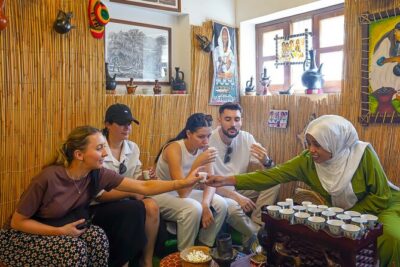
Old Town, Souks, Street Food, Guided Tour & Abra Ride
Our verdict on this one →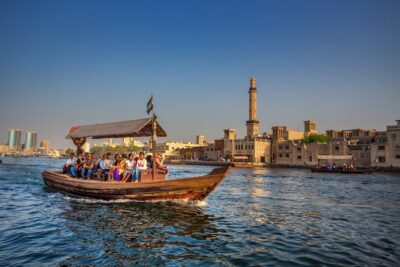
Frame Tickets, Creek, Souks & Blue Mosque Guided Tour
Our verdict on this one →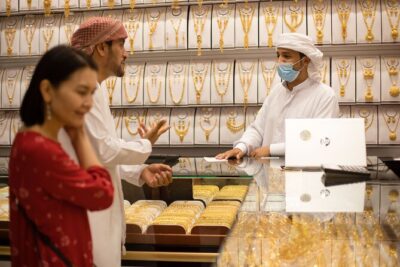
Dubai Aladdin Tour: Souks, Creek, Old Dubai and Tastings
Our verdict on this one →
Half-Day City Tour with Blue Mosque, Creek, and Souks
Our verdict on this one →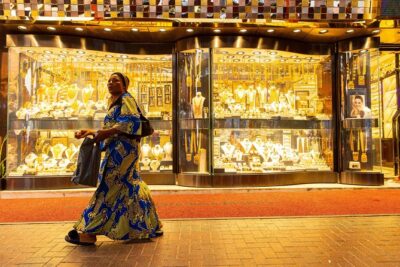
Dubai Half-Day City Tour with Visit to Dubai Gold Souk
Our verdict on this one →Old Town, Souks, Street Food, Guided Tour & Abra Ride
Our verdict on this one →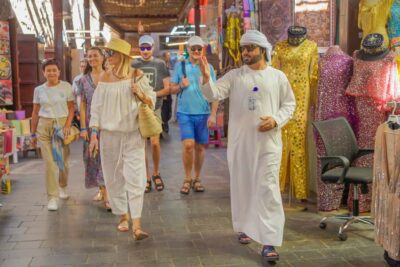
Old Town, Street Food, Creek, Souks, & Emirati House
Our verdict on this one →Browse the lists this tour appears in